Giants offshore: when to see whales in Panama
Find out when to see whales in Panama, with the best seasons, locations and practical advice for travelers hoping to encounter these ocean giants.
 Liliya SobolevaFirst published: September 1, 2025Updated October 17, 20263 min read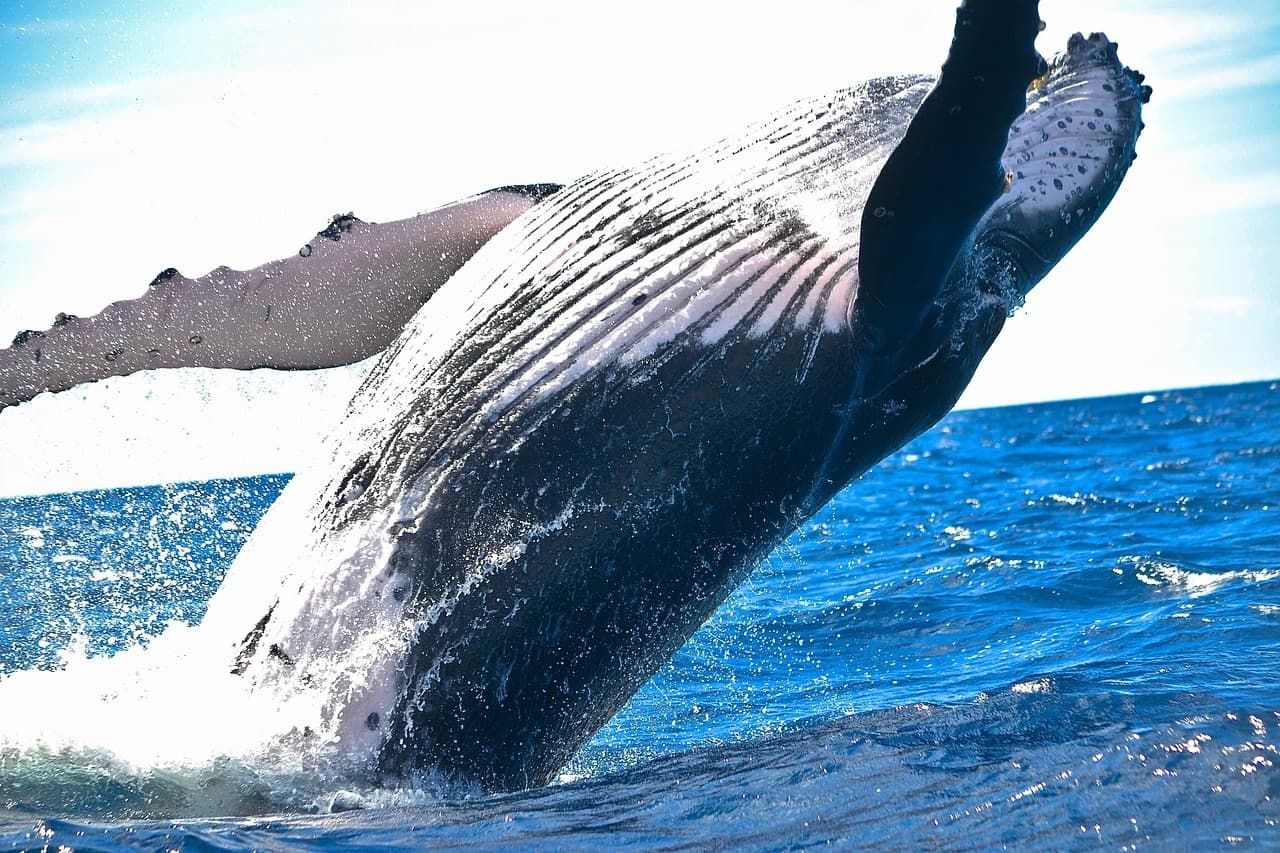
What to discuss with your boat tour operator
- Departure area
Confirm where your excursion takes place. The article mentions the Pearl Islands, the Azuero coast and the Coiba area.
- Weather and going out to sea
Agree on a date and time that take conditions into account, rather than relying solely on your personal schedule.
- Guide experience
Choose a guide familiar with local sea conditions and wildlife observation.
- Respectful observation
Ask in advance how the operator avoids interfering with the whales' natural behavior.
Panama has more to offer than beaches and tropical forests: it also brings you within reach of ocean giants just off the coast. Every year, humpback whales arrive here on their remarkable journey from the cold waters of Antarctica to the warm tropics. You can encounter these giants from July through October, when the ocean comes alive with their songs and movement.
Where to watch whales in Panama
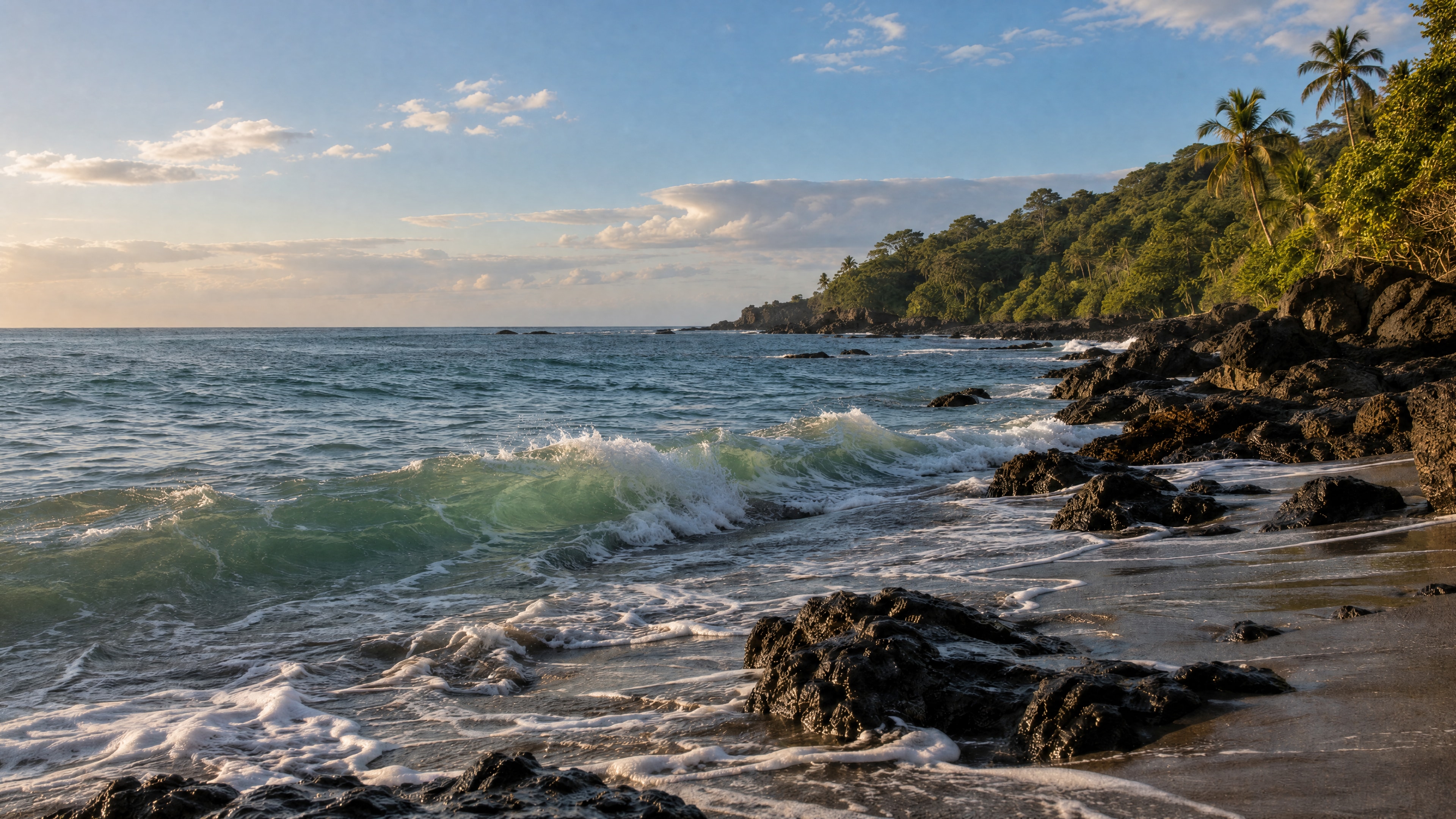
The Pearl Islands, just a few hours from the capital, are considered one of the best places to watch whales. Clear waters and secluded beaches make the archipelago an ideal base for excursions. Equally impressive sights await off the Azuero coast and around Coiba, an island that is itself one of Panama's natural treasures. Whales here often come close enough for visitors to feel part of the spectacle unfolding at sea.
The wonder of humpback migration
Panamanian waters are unusual in bringing together two populations of humpback whales: one arrives from the North Pacific and the other from the south. This rare occurrence makes it possible to see several groups and observe their behavior near one another. During this period, the whales not only rest but also give birth, so you may see mothers carefully teaching their calves their first breaches and dives.
An experience that stays with you
Whale watching is more than a tourist activity; it can be a deeply moving experience. Many travelers say that seeing an enormous animal rise out of the water leaves a lifelong impression. It is a moment that reveals the scale and diversity of ocean life and leaves you grateful for the chance to witness it.
Preparing for an excursion
If you dream of seeing whales, take weather conditions into account and choose experienced guides. Excursions use small boats to avoid disturbing the animals' natural behavior. Morning is the best time to head out, while the ocean is still calm and the chances of a successful sighting are particularly high.
Ocean giants and ecotourism
Panama is actively developing ecotourism, and whale watching plays an important role. It is both a way to attract travelers and a reminder of how fragile ocean ecosystems are. Tour organizers work to keep encounters safe and respectful of the animals, making the experience especially valuable.
Take a step toward adventure
If you are planning a trip to Panama, put whale watching on your list of essential experiences. It will leave you with unforgettable memories and make your journey truly special.
With best wishes, Liliya Soboleva!
Be Happy Now!