Culture and traditions: finding your place in Panamanian society
Learn how to adapt to Panamanian culture, from traditions and conversation to the pace of life, with practical advice for settling into the community.
 Liliya SobolevaFirst published: June 25, 2025Updated October 17, 20264 min read
Small steps toward getting to know your new surroundings
Practical ideas drawn from the author's text. Relationships develop differently with each individual.
- Use Spanish in simple situations
Start with greetings and brief everyday conversations.
- Take an interest in the person you are speaking with
Listen, ask questions and gradually get to know your neighbors.
- Learn about local traditions
Pay attention to celebrations, family gatherings and local history.
- Join in
See a shared meal or gathering as an opportunity to get to know people better.
- Give yourself time to adapt
Combine openness with respect for other people's habits and personal boundaries.
Life in Panama means more than a change of climate or scenery. It means entering a different atmosphere, where a joy in living, music and genuine conversation become part of everyday life. Panamanian culture combines Spanish, African and Indigenous heritage with a distinctly Latin American spirit. To become part of this vibrant world, it helps to understand it from within. Openness and respect for other people's customs are the keys to feeling at home here.
Panama's traditions and their place in everyday life
Holidays, carnivals and family gatherings are integral to the Panamanian way of life. Traditions remain alive and cherished, especially in regions where residents have passed customs down to their children for generations. In large cities such as Panama City, you will find modern life alongside traditional ways; in the provinces, the connection to history and folk culture is particularly strong. Taking part in national celebrations, respecting the country's symbols and learning at least its basic traditions can bring you closer to local people and help build trust.
Finding your place through language
Although many people in Panama understand English, particularly in tourism and business, Spanish is the language through which deeper connections develop. Perfect grammar is not essential: simply trying to speak Spanish is warmly received. Local people appreciate the effort, even when a foreigner makes mistakes. Simple phrases, greetings and compliments all help you become part of the community. Knowing the language also opens the door to a deeper understanding of local humor, traditions and daily life.
The Panamanian pace of life: learning not to rush
If you are used to strict time management and schedules planned to the minute, the Panamanian approach may surprise you at first. Many things happen calmly, without unnecessary haste. Even important meetings may begin late, and decisions may take time. This is not a sign of disrespect but an expression of a way of life. Panamanians value a balance between work and rest, know how to enjoy the moment and do not worry over small things. Accepting this rhythm will spare you frustration and help you understand the local outlook.
Earning trust: respect and participation
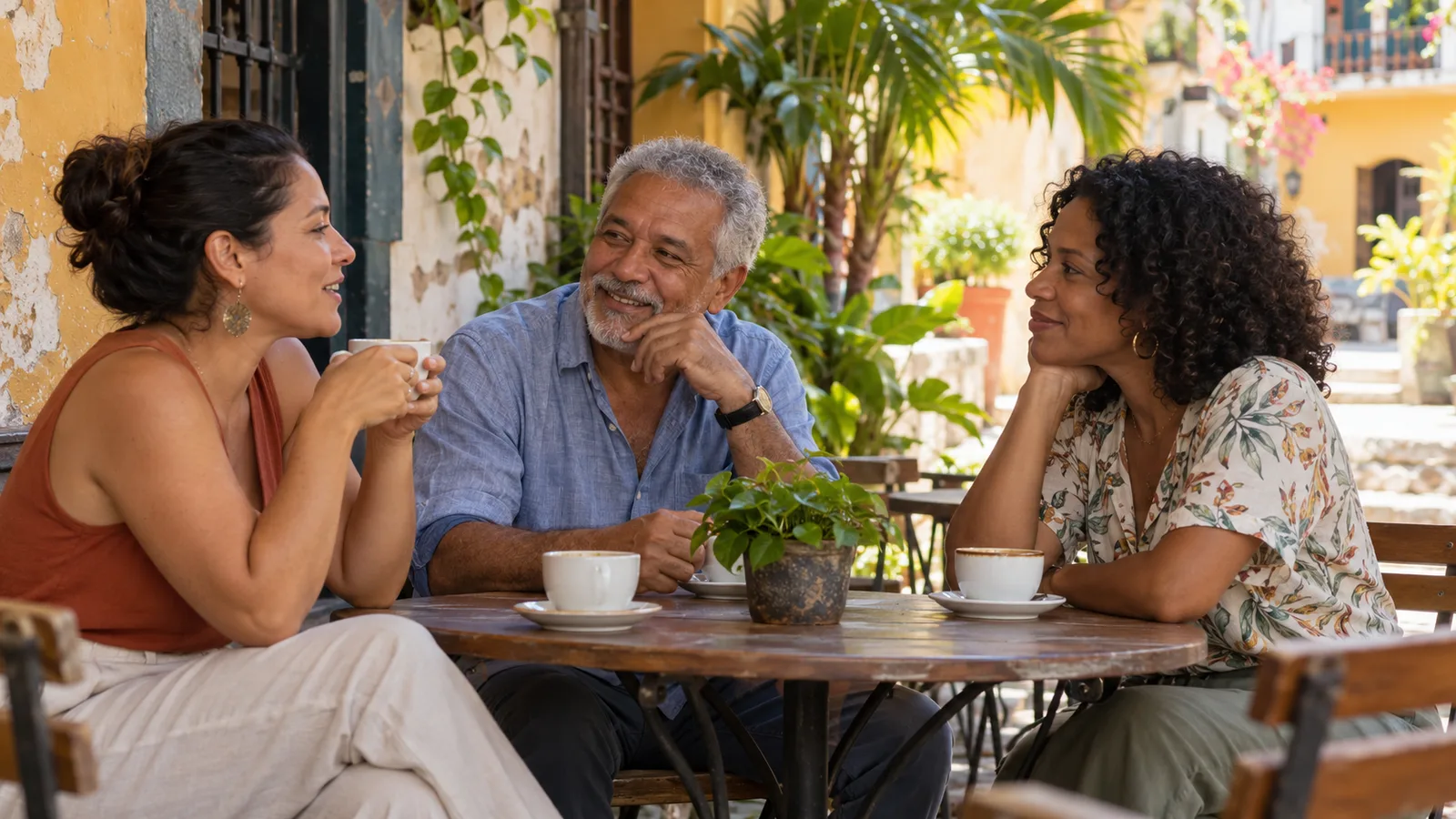
Personal trust matters greatly in Panama. To build relationships with neighbors, business partners or friends, it is important to show interest in the other person's life and be polite and open. Panamanians rarely share personal matters with people they perceive as cold or withdrawn. Informal conversations, talking about family and joining dinners and gatherings strengthen those ties. Friendship develops gradually here, but once earned, it is sincere and warm.
Family and community at the center of life
For Panamanians, family is not simply an important part of life; it is at the center of everything. Relatives play a key role in decisions, support and even business. Respecting older people, taking part in family occasions and understanding the importance of family ties will help you both earn goodwill and adapt. Even if you have moved alone or with a partner, participating in community and family events can strengthen your place in the local community.
Food, conversation and cultural gestures
In Panama, a meal is more than eating; it is a social occasion. Lunch or dinner is a chance to talk, discuss ideas and share a joke. Local food is full of flavor, spices and variety. An invitation to lunch is a gesture of trust and friendliness, and declining without a good reason may be seen as rude. Nonverbal signals also matter: a smile, eye contact and a handshake all help establish a connection.
Openness to a new life: the key step toward adapting
Becoming part of a community takes time. But if you remain open, willing to listen and learn, and respectful of the local culture, you will gradually feel Panama welcoming you. Every new encounter, local celebration or simple conversation with a neighbor brings you closer to the community. People here appreciate those who reach out and want to be part of this sunny, lively and diverse world.
Would you like to learn more about life in Panama and the opportunities it offers? Contact our team. We would be happy to share our experience and help you take your first steps toward a new life!
With best wishes, Liliya Soboleva!
Be Happy Now!