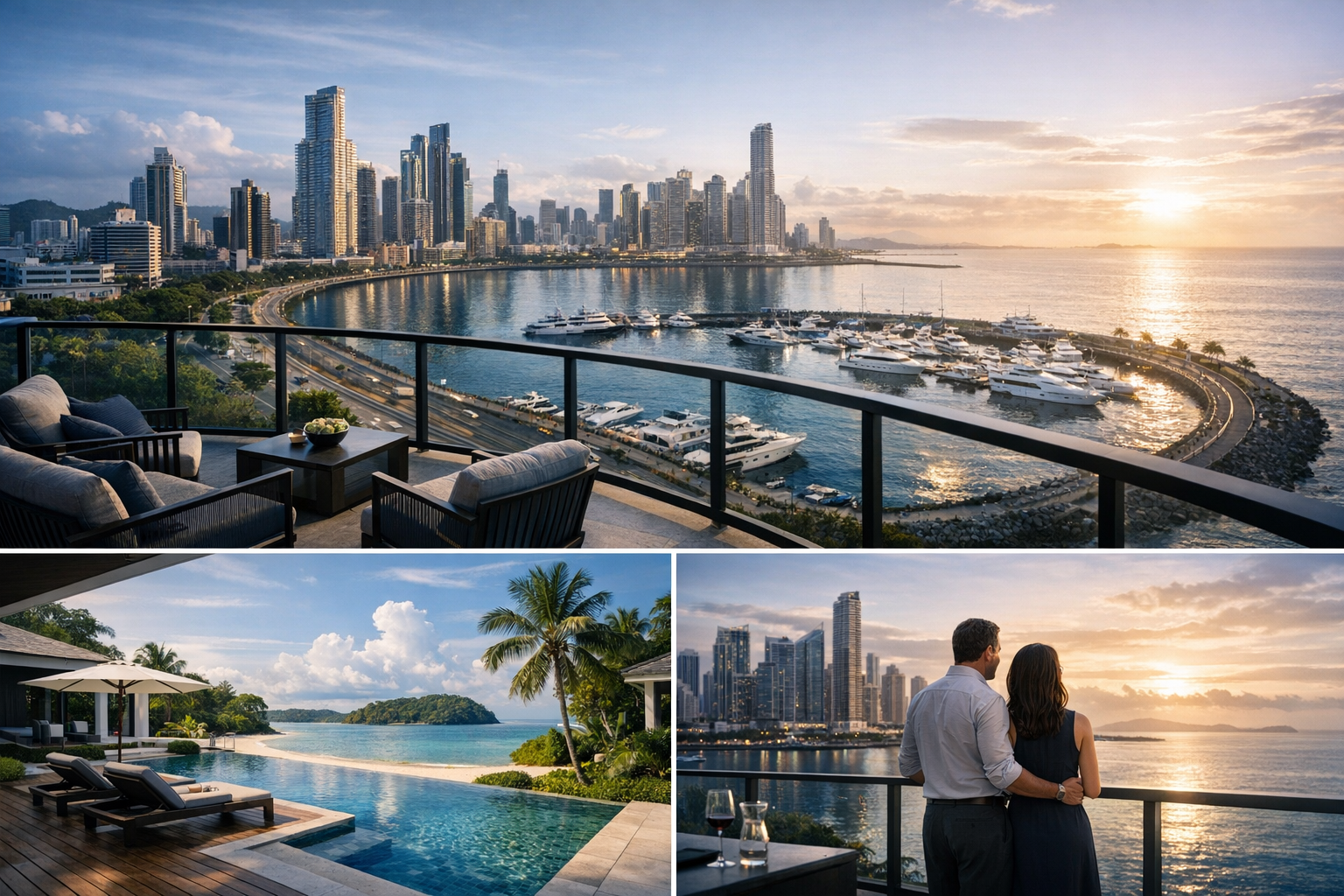
The challenges of owning an oceanfront home
Explore the challenges oceanfront homeowners face and the details worth considering before choosing a coastal property.
 Liliya SobolevaFirst published: July 21, 2025Updated October 17, 20264 min read
An ocean view: what to check alongside the apartment
| Factor discussed in the article | What to check |
|---|---|
| Salt and humidity | The condition of metalwork, windows and finishes, and the maintenance routine |
| Weather exposure | Building protection and maintenance suited to seasonal conditions |
| Utility costs | Actual air-conditioning use and ongoing expenses |
| Rental use | Seasonal demand and costs that affect the owner's income |
| Legal and environmental context | Documents and restrictions relating to the particular lot or property |
Living by the ocean is a dream many associate with peaceful sunrises, warm weather and the sound of waves. Yet behind that romantic image lie challenges that coastal homeowners often face. To choose a property well, it is important to understand not only the benefits but also the potential risks.
Moisture, salt and corrosion: protecting your property
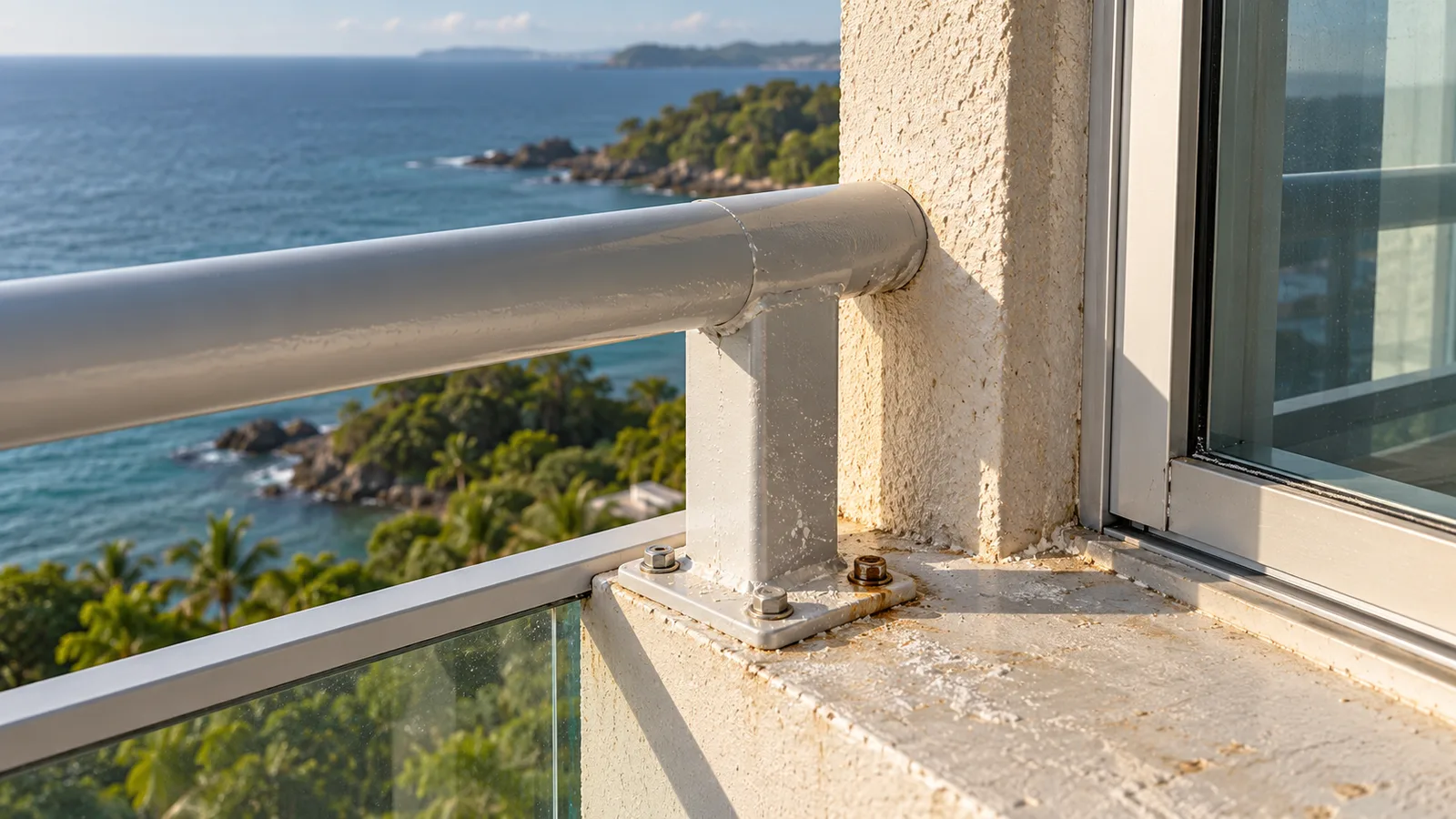
High humidity is one of the most common problems for oceanfront homes. The air is laden with salt, which settles on metal components and causes them to deteriorate faster than in other locations. Without corrosion-resistant materials and regular preventive maintenance, repairs can become a recurring expense.
Even interior finishes need special consideration. Wood absorbs moisture, swells and warps. Ordinary paint peels, and appliances fail more often. When choosing a property, it is therefore important to look for building materials designed specifically for coastal conditions.
Storms and climate: considering seasonal risks
Weather near the ocean can be unpredictable. Even countries with pleasant climates can experience tropical downpours, hurricanes and strong winds. These events can cause flooding and damage façades, roofs and landscaping. Oceanfront homeowners often find that insurance is necessary and can be considerably more expensive.
If the property you are considering is in a higher-risk area, it makes sense to think about protective measures in advance. A reinforced foundation, drainage and security shutters are not luxuries but sensible necessities.
Utility costs: allowing for higher running expenses
An oceanfront home can cost more not only to buy but also to maintain. That includes electricity and water bills, which are often higher in coastal areas. Air conditioning becomes a daily need rather than a preference. Keeping the indoor environment comfortable costs money, particularly when the home is used year-round.
You should also account for the servicing of septic systems, water treatment equipment and ventilation. Without regular preventive maintenance and care, equipment deteriorates quickly. Before choosing a property, calculate the recurring expenses you may face.
Renting out your property: understanding seasonal demand
Many owners buy an oceanfront home to rent it out. The idea seems attractive, particularly in tourist destinations. Yet seasonality plays a crucial role in this market. A property may earn good income in high season but stand empty for months during low season or stormy weather.
Finding reliable tenants or a management company is not always easy, especially when you live in another country. Without proper care, a coastal property loses its appeal and deteriorates more quickly. If you are considering it as an investment, assess the risks realistically and allow for all management costs.
Environmental and legal considerations: preparing before you buy
Beaches and coastal areas are often protected natural zones. This means restrictions may apply to construction, renovation or even use. In some cases, building may be prohibited altogether or require lengthy approvals. Disputes can also arise over property boundaries or access to the water.
If you are choosing a property on the shoreline, professional legal support and an environmental assessment are essential. Without them, you risk discovering unexpected restrictions and fines after the purchase.
Choosing your property: a considered approach to a dream
An oceanfront home can fulfill a dream and become a source of inspiration and peace. But that depends on making a responsible, balanced decision. Understanding potential problems helps avoid disappointment and protect your investment.
If you are considering an oceanfront property, seek support from specialists who understand the market's complexities and can help you find the right option for the climate, the legal framework and your goals.
Would you like to learn more about oceanfront real estate, its genuine advantages and its hidden pitfalls? Write to us. We will be happy to explain what to look for before buying and how to make a choice that is secure, comfortable and profitable.
With best wishes, Liliya Soboleva!
Be Happy Now!