New Build or Resale in Panama: Which Makes More Sense for Buyers?
Compare new developments and resale apartments in Panama: price, space, building condition, rental demand, purchase timing and the risks buyers need to consider.
 Liliya SobolevaFirst published: August 21, 2026Updated October 17, 20269 min read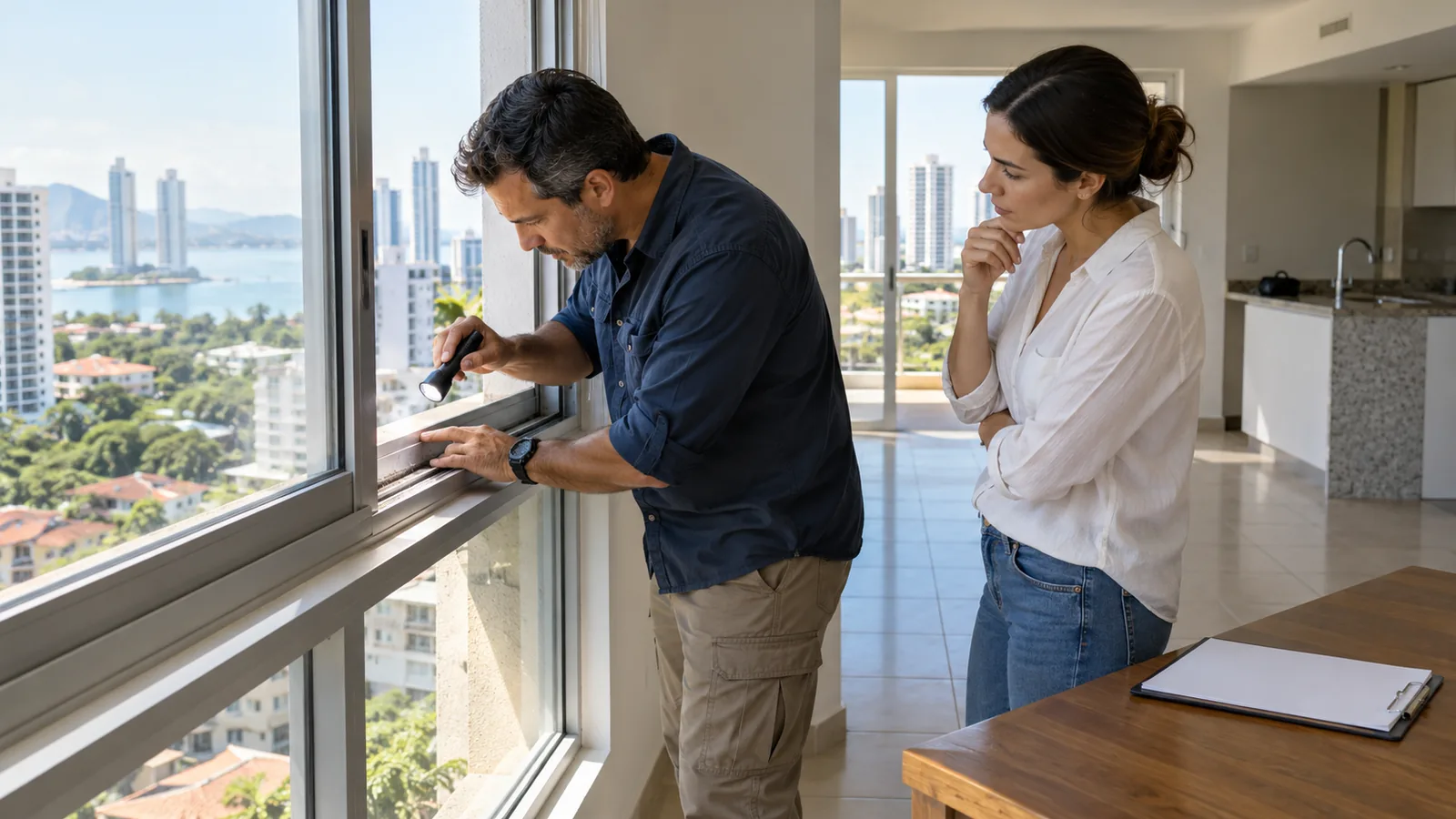
New build and resale: what to compare
| Question | New development at the planning stage | Completed apartment |
|---|---|---|
| What can you assess now? | The project, contract and developer's experience | The apartment, building and established surroundings |
| What does due diligence involve? | Documents, commitments and the track record of completed projects | Documents, an inspection and the building's actual condition |
| What is known about the rental market? | Future demand needs to be assessed | Existing demand and the property's history can be examined |
| What additional spending should you consider? | Handover terms and the work needed to bring the apartment to the required standard | Renovation, equipment and updating the existing interior |
| When can you use the property? | Depends on construction progress and handover terms | Depends on the apartment's condition and any renovation needed |
Buyers looking for property in Panama soon face the same choice: buy an apartment in a new development or look for a completed home on the resale market. There is no single answer. A new build can offer a modern layout, new communal facilities and the opportunity to spread payments over the construction period. A resale apartment lets you see what you are paying for, start using the property immediately and sometimes get considerably more space for a similar budget.
The comparison should therefore start with the buyer's goals, not the age of the building.
A new build starts with plans; a completed apartment starts with reality
The main difference is obvious, but it is often underestimated.
When buying a completed apartment, you can go inside, open the windows, check the noise, see the actual view, walk through the parking garage and assess the pool and elevators. You can look at the neighboring buildings and see how well the property has held up several years after construction. With a new development, part of the decision is based on plans. Buyers see floor plans, renderings and the proposed facilities, but the final quality becomes clear only after handover.
That does not automatically make a new build riskier. It does, however, mean that the developer's track record and the contract matter more here than when buying an apartment that already exists.
According to Acodeco, property buyers filed 170 complaints against companies in the sector between January and May 2026. They concerned refunds, failure to honor warranties, hidden defects, breaches of contract and insufficient information. The agency specifically recommends carefully checking the contract, handover terms and project information before buying.
The same budget often buys more space on the resale market
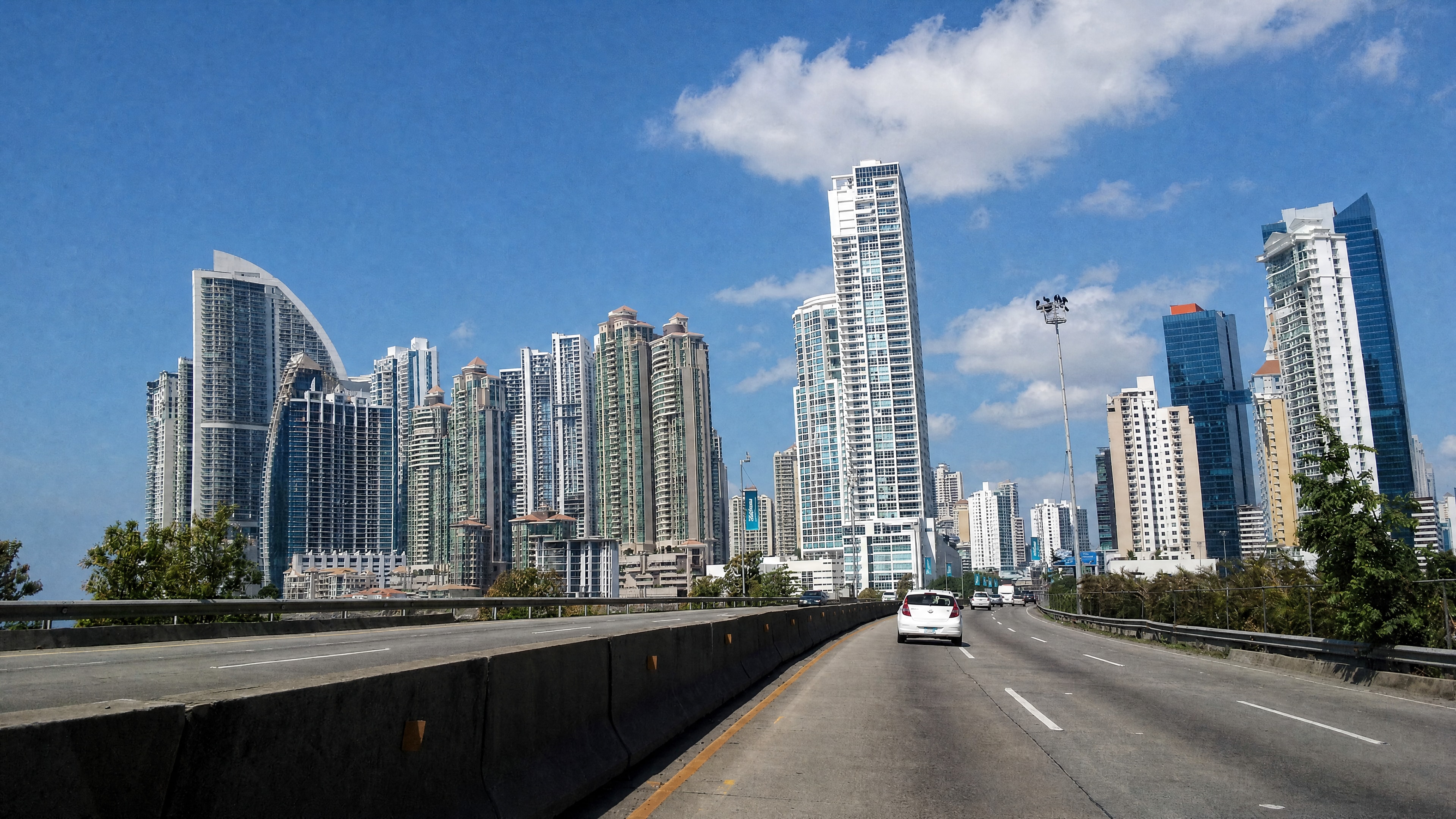
One striking feature of Panama City is the difference between generations of residential developments.
Older buildings often have large kitchens, spacious living rooms, separate staff bedrooms, generous bedrooms and several parking spaces. Newer developments tend to use space more compactly and place greater emphasis on the building's communal areas.
A family may therefore find two very different options within the same budget: a smaller, newer apartment with a modern pool and coworking space, or a much more spacious home in a building that is already several years old.
Market reviews from 2026 also show that new developments in Panama City's premium neighborhoods are generally offered at higher prices than comparable resale properties.
For buyers, the question is not which is better in the abstract. It is what they actually want to pay for.
A newer building is not necessarily a better building
A building's age is a convenient but very superficial yardstick.
Some residential developments are ten years old and look excellent: communal areas are well kept, equipment is maintained and management runs consistently. The opposite also happens, with relatively new buildings already showing problems with finishes or day-to-day operation. On the resale market, we therefore focus less on the year of construction than on how the building has weathered those years. The parking garage can sometimes tell you more about a building than its lobby. It is worth looking at service areas, corridors on several floors, how the elevators operate and the communal spaces on an ordinary working day.
You can make that assessment immediately in a completed building. A project under construction simply does not have that history yet.
New developments have an advantage: they are designed for today's demand
Modern residential developments evolve with buyers' lifestyles.
Coworking spaces, delivery areas, pet facilities, small sports courts and more functional communal areas are not appearing by chance. Developers are trying to create homes that meet the needs of today's buyers and tenants.
That can be an advantage when it comes to renting out or selling the apartment later.
This is especially true if older buildings in the same neighborhood are similarly priced but offer considerably fewer facilities.
Yet there is another mistake to avoid: assuming that more amenities necessarily make a property more valuable. A large pool, a cinema and dozens of communal spaces are useful only if people actually use them and the building can keep them in good condition.
Buying a list of amenities instead of an apartment is a poor investment strategy.
Resale properties make actual rental demand easier to assess
If you are buying an apartment as an investment, a completed building has an important advantage: its market already exists.
You can see which apartments are being rented out, how many similar listings are available, how they are furnished and what kinds of tenants choose the building.
In a new development, future demand has to be forecast.
Be particularly cautious about buildings where most apartments are sold to investors pursuing the same strategy. Once construction is complete, dozens of similar units may enter the rental market at the same time. That is convenient for tenants, who have more choice. For owners, it means competition within their own building.
That is why we always compare an attractive projected rent with the number of units likely to compete for the same tenant.
A completed apartment can start earning income straight away
If a property is already built and vacant, it can be prepared for occupation or rental almost immediately after the transaction is completed.
For an investor, this means there is no construction period to wait through.
Buying at an early stage follows a different logic. The buyer can secure a property today, spread payments according to the contract and look ahead to a possible change in value by the time the project is completed. But the apartment itself generates no rental income while it is being built.
A completed property is therefore usually easier to assess for someone who needs cash flow in the near term.
For a buyer thinking several years ahead and willing to wait for completion, a new development may be more appealing.
With a new build, reading the contract before paying is especially important
On the resale market, the main object of your due diligence already exists.
In a development under construction, you need to assess both the future property and the obligations of the company promising to build it. You need to understand the handover dates, payment schedule, apartment specifications, the conditions under which the project may change and the consequences of a possible delay. In 2026, Acodeco specifically drew property buyers' attention to contractual terms, warranties, hidden defects and the completeness of the information provided.
If the apartment is also being purchased as part of a residency program, the transaction structure needs to be checked before the first substantial payment, because the immigration and investment requirements must be aligned.
A resale apartment can also require substantial spending
The advantage of a completed property is that you can see its condition. But having a problem in front of you does not mean you will notice it.
Old air conditioners, worn appliances, windows, plumbing fixtures or furniture may need to be replaced soon after purchase.
Particular care is needed with apartments whose renovation looks expensive but whose technical systems have not been updated for a long time.
On the resale market, we therefore try to distinguish between how the apartment looks today and what it will cost to bring it up to the standard you need.
Sometimes a property with simpler finishes is better value than an expensive furnished apartment if its underlying condition is better.
What to choose for your own home
For a family, a completed apartment is often convenient because the decision does not have to rest on assumptions.
You can check the actual room sizes, the route to school, evening noise, nearby construction, the number of cars in the parking garage and how convenient the building's facilities are to use.
A new build may be more appealing if the family is not in a hurry to move and wants a modern property that will not need updating in the next few years.
Here, it is especially important not to pay a premium for newness at the expense of space and location.
A new 90 m² apartment is not necessarily more comfortable than a completed 140 m² apartment simply because it was built later.
What to choose as an investor
We would advise investors to start not by asking whether to buy new or resale, but with two other questions:
Who will rent the property, and who might buy it from you later?
If a completed apartment has a clear rental history, is in a good building and is offered at a reasonable price, its age should not automatically count against it. If a new development is in a strong location, offers a type of home that is in demand and stands out from the existing supply, waiting for construction may be justified.
Poor purchases occur in both segments. You can overpay for an apartment in a new development simply because of an attractive presentation. Or you can buy a cheap resale property in a building that is gradually losing its competitive appeal.
The better buy is the right fit, whether new or old
We do not divide Panama's market into good new developments and bad resale properties, or vice versa. Every property has its own rationale. A new build lets you buy a modern home and enter a project before completion, but it calls for closer scrutiny of the developer, the contract and the future market.
A completed apartment allows you to check almost everything before the transaction and start using it sooner, but requires careful attention to the condition of both the apartment and the building.
In real estate, the year of construction is one characteristic. The decision depends on a combination of far more important factors.
With best wishes, Liliya Soboleva!
Be Happy Now!