Moving to Panama After 50: Healthcare, Housing and Everyday Costs
What to consider when moving to Panama after 50: private healthcare, renting a home, the climate, transport and the actual costs of everyday life.
 Liliya SobolevaFirst published: August 17, 2026Updated October 17, 20269 min read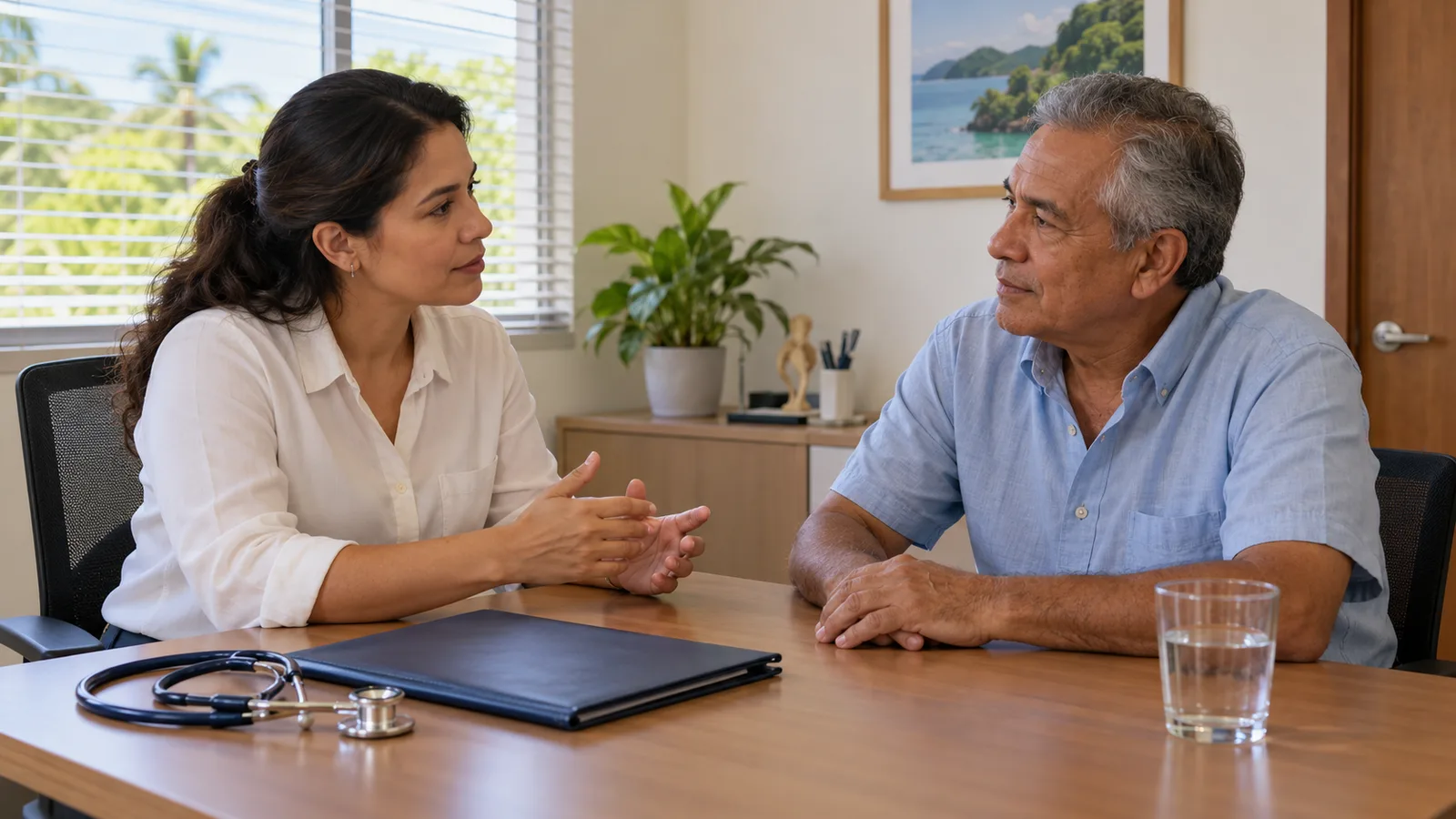
Try everyday life instead of relying on a universal budget
| Area | What to check for your own circumstances |
|---|---|
| Healthcare | Suitable doctors, a clinic, insurance and expenses outside your coverage |
| Housing | Access to a shop, park, pharmacy and medical care |
| Getting around | Whether you need a car and how comfortable the actual walking routes are |
| Climate | How you cope with humidity and the rainy season, ventilation and the condition of the apartment |
| Electricity | Actual bills and your expected air-conditioning use |
| Personal budget | Your usual spending on housing, health, transport, social life and visits to family |
People usually approach a move differently after 50 than they do at 25. A beautiful view, a warm sea and the novelty of a new country are no longer enough. More practical questions come first: where to get medical care, what a decent home costs, whether a car is necessary, how well you will cope with the climate and what your monthly budget will really need to be.
Panama has much to offer on these points. But comfort here depends heavily on the neighborhood you choose and the standard of living you are used to. It is therefore better to assess the country against the lifestyle you want to maintain after moving, rather than its lowest possible living costs.
Healthcare is a strength, but arrange your care in advance
Panama City has a well-developed private healthcare sector. Pacífica Salud, for example, has facilities in Punta Pacífica and Costa del Este, offering a broad range of diagnostic services, laboratory testing, cardiology, surgery and emergency care. The network also states that it is affiliated with Johns Hopkins Medicine International.
In Expat Insider 2024, Panama ranked 15th for healthcare. Among the foreign residents surveyed, 71% rated the quality of medical care positively, 71% its availability and 69% its cost.
For someone over 50, the more important point is not to wait until a doctor is needed urgently.
Before moving, it makes sense to establish which clinic you will use, which specialists you need to see regularly and what insurance suits your circumstances. Major private hospitals have agreements with both local and international insurers, but coverage terms vary. If you have chronic conditions, it is especially advisable to arrange insurance in advance. Age, medical history and existing diagnoses can affect the terms of an individual policy. A good healthcare plan in Panama is therefore more than the name of a hospital. It means having a clinic, a doctor, insurance and a clearly defined reserve for expenses that may fall outside your coverage.
Where to live after 50: the neighborhood can matter more than apartment size
Many new residents initially want to buy an apartment as soon as they arrive. We would advise taking your time. Even within Panama City, neighborhoods differ greatly in pace and convenience. Costa del Este offers modern infrastructure, new residential developments, healthcare and shopping centers, but rents are higher. In August 2026, modern two-bedroom apartments in the neighborhood were being advertised at approximately $2,200–2,250 per month.
San Francisco can offer less expensive choices: a current listing for a two-bedroom apartment of 95 m² was around $1,400 per month, while a larger furnished property near Parque Omar was advertised at $1,900.
In El Cangrejo, two-room apartments of around 90–115 m² could be found for approximately $1,550–1,750 per month in July and August 2026. These are actual market listings, not average prices for the entire neighborhood, so they are best used as reference points.
After 50, we recommend looking at housing a little differently. Consider not only how many square meters you get, but also how easily you can walk to a shop, park, café, clinic and pharmacy. If you do not want to spend time behind the wheel every day, a slightly smaller apartment in a more convenient location often proves the better choice.
Not everyone needs a car, but living without one makes location more important
Panama City is not a fully walkable city. There are neighborhoods where many everyday errands really can be handled on foot. El Cangrejo, parts of San Francisco and some areas near major shopping centers offer more of that freedom. Elsewhere, a car or taxi becomes part of an ordinary day.
In Expat Insider, foreign residents rate the affordability of public transport fairly well, but give road infrastructure considerably lower marks; Panama placed toward the bottom of the ranking on that measure. For someone over 50, this is an important practical consideration. If you want to depend less on a car, choose your neighborhood with that goal in mind. Five minutes by car and fifteen minutes on foot along a comfortable street are not the same experience, especially in a hot, humid climate.
The climate does not suit everyone
Panama is warm throughout the year, but the word “warm” can create the wrong expectation.
A tropical climate means high humidity and a long rainy season. According to Panama's Ministry of Environment, the rainy period on the country's Pacific side usually runs roughly from May to November, with October and November among the wettest months. The dry season falls mainly between December and April. Most foreign residents like the weather: 78% of participants in Expat Insider 2024 rated it positively. But much depends on the individual. If you struggle with high humidity, constant air conditioning may become a necessity. This also affects the choice of apartment. Good ventilation, the condition of the air-conditioning units, the absence of damp and the quality of the windows become more important than decorative finishes.
We would not decide on a permanent move after visiting only in January or February. It is more useful to spend several weeks in Panama during the rainy season as well.
If the climate suits you in August or October, you can usually make that decision with much greater confidence.
What does ordinary life cost?
Panama has no universal budget “for a retiree” or “for someone over 50.”
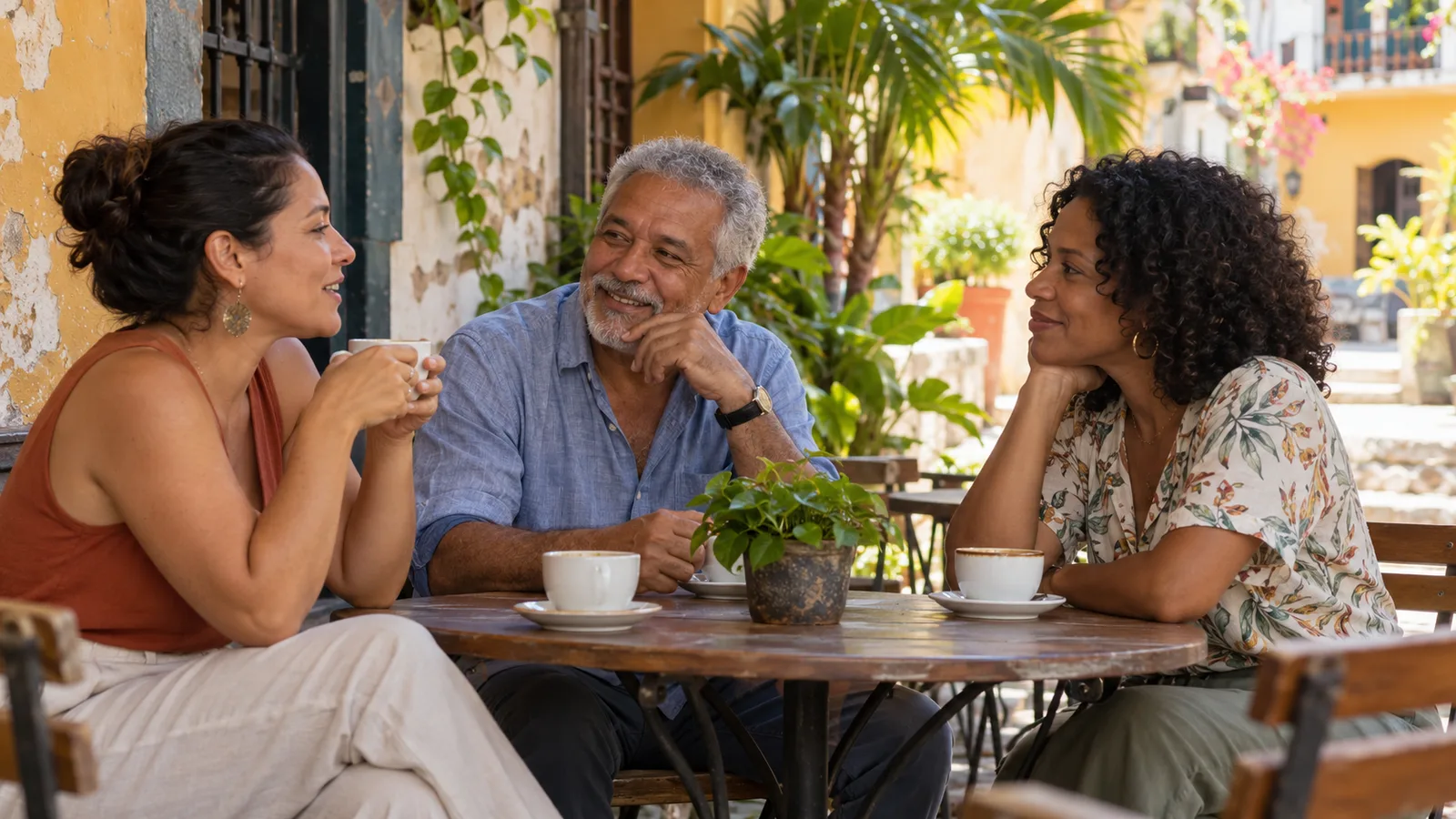
You can live in your own apartment outside the expensive neighborhoods and spend relatively little. Or you can rent a modern property in Costa del Este, eat out regularly, use private healthcare, own a car and travel—and arrive at a very different total. InterNations gives an indicative figure of about $820 per month for one person in Panama City, excluding rent. In its approximate breakdown, utilities come to around $120 per month, internet and mobile service to about $80, and groceries to roughly $200–400. These figures should be treated only as guides: actual spending depends on the home, air-conditioning use, habits and level of consumption.
Once rent is included, the difference becomes much more pronounced. For a single person or couple who want a modern apartment, private healthcare, reliable internet, taxis or a car, and the freedom to dine out regularly, a comfortable budget will be substantially higher than the minimum estimates found online.
That is why we recommend preparing a personal budget before moving, rather than relying on an “average cost of living in Panama.” What do you currently spend on healthcare? Do you need two cars? How often do you eat out? Do you need help at home? Do you plan to fly to see family several times a year? The answers provide a much more accurate figure than any international ranking.
Not everyone saves on electricity
In a tropical climate, air conditioning can substantially change the pattern of expenses you are used to.
Someone who stays home all day and keeps every room cool will pay noticeably more than someone who uses air conditioning only in the evening and at night. Before renting or buying an apartment, it is therefore useful to ask to see actual bills from the previous owner or tenant, rather than rely on a theoretical estimate of electricity costs.
This is especially important for large apartments with panoramic glazing. An apartment with a beautiful west-facing view of the city can become very hot in the afternoon. You may not notice during a twenty-minute viewing. After living there for a month, the difference becomes quite tangible.
Panama can suit active people over 50
Moving here does not have to mean a quiet life spent entirely by the pool.
It is easy to build a fairly active routine in Panama. Walks in parks and along waterfronts, golf, swimming, tennis, ocean outings, mountains, restaurants and short trips around the country are available year-round. Around 79% of Expat Insider participants rated the opportunities for sports and outdoor activities positively. This is often what appeals to people who do not want to see turning 50 or 60 as the start of “retirement life.”
You can continue running a business, traveling and investing while living in a country without winter. But it is most comfortable for those who retain an independent source of income and do not depend on finding work in the local market. In the same survey, foreign residents rated the local job market considerably less favorably than the overall financial side of life in Panama.
You will still need the language
In private clinics, international companies, expensive residential developments and many Panama City restaurants, it is possible to get by in English for quite some time.
But the more you become part of ordinary local life, the more useful Spanish becomes. You will need it when dealing with building management, a driver, a repair technician, small shops and some medical staff.
After 50, speaking perfectly does not have to be the goal. Even a basic level greatly reduces your dependence on others. This is less about integration than about ordinary day-to-day independence.
Should you buy a home immediately?
For someone who does not know Panama well, we usually recommend renting here first.
That is particularly true after 50, when everyday comfort matters alongside a property's investment characteristics.
You may discover that prestigious Costa del Este is too dependent on a car. Or you may find the opposite: that its infrastructure and nearby modern healthcare are exactly right for your pace of life. Some people enjoy urban San Francisco near Parque Omar. After a few months, others want to move closer to nature or to Boquete's cooler climate. A property presentation cannot give you that experience.
A few months of renting can sometimes prevent a much more expensive mistake when buying.
Who is Panama particularly well suited to after 50?
Moving here makes sense for someone who wants to remain active, receives a stable income outside the local job market, values a warm climate and is prepared to use private services.
The strengths include healthcare, a choice of modern homes, a dollar-based everyday economy, an international community and the chance to live without winter. In Expat Insider, 82% of foreign residents surveyed in 2024 said they were happy with life in Panama.
But age alone does not make Panama the right destination.
If you struggle with humidity, want to live entirely without a car, are unwilling to arrange health insurance in advance or expect very low living costs in a premium neighborhood of the capital, it is better to adjust those expectations before moving.
A successful move is more than the chance to live in another country. It is the chance to live there in a way that truly suits you.
With best wishes, Liliya Soboleva!
Be Happy Now!