Renting a home long-term in Panama: rules and everyday practice
Learn how to rent a home long-term in Panama, with guidance on leases, practical advice for tenants and the rules worth understanding before you move.
 Liliya SobolevaFirst published: October 10, 2025Updated October 17, 20266 min read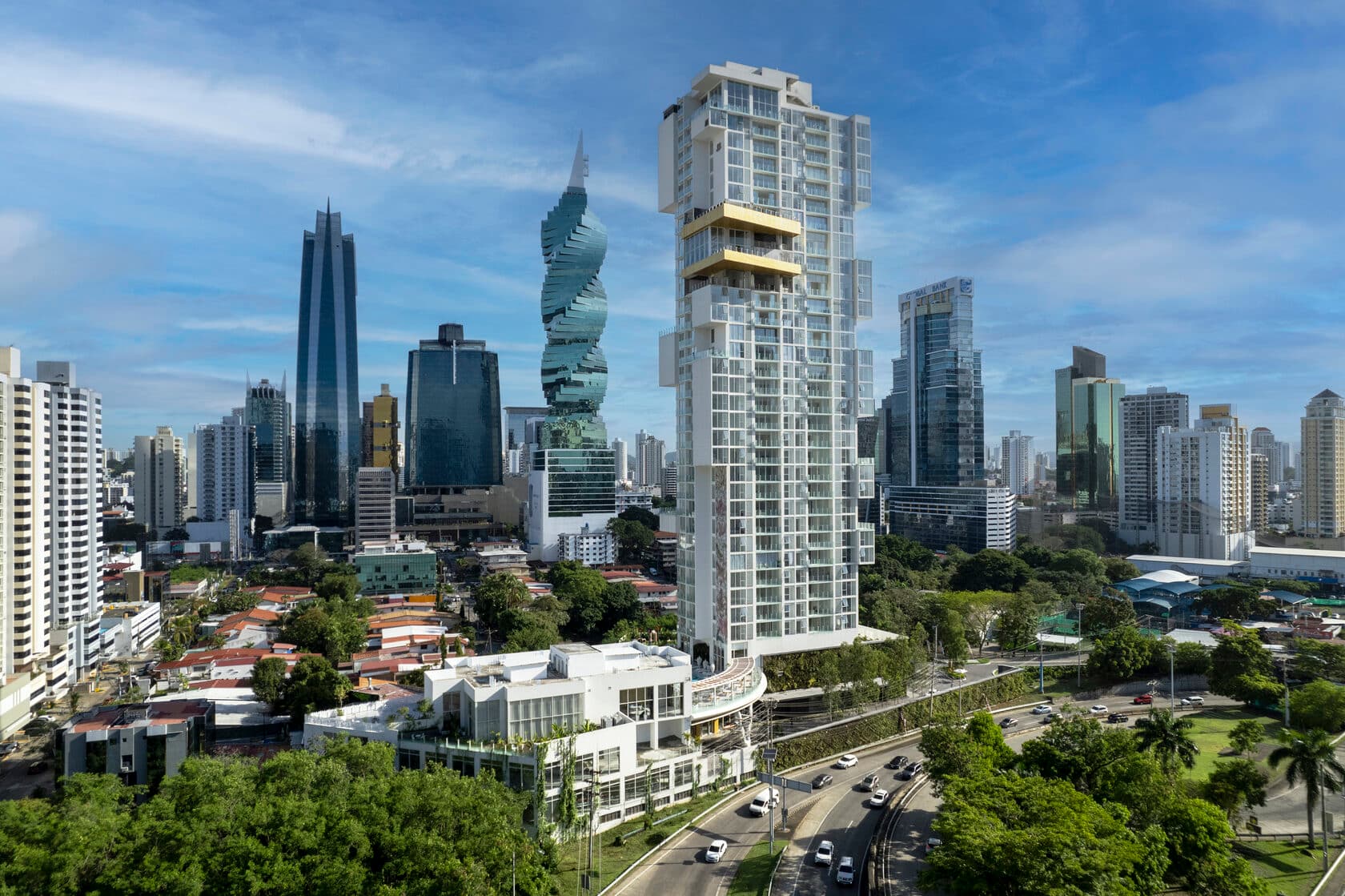
Before signing and taking possession of the apartment
- Test the neighborhood with your usual journey
Assess access to work, shops and other everyday destinations.
- Read the lease terms
Agree on the lease term, rent, deposit and conditions for ending the tenancy.
- Clarify each payment
Confirm which utilities and other expenses are included in the rent and which must be paid separately.
- Record the condition
Inspect the rooms, furniture and appliances, and agree on an inventory of what is being handed over.
- Allocate responsibilities
Understand the arrangements for maintaining the apartment and communicating with the owner.
Moving to Panama is a step toward a different way of life, where Caribbean calm meets the energy of a Latin American city. To get off to a comfortable start, however, you need to understand the rental market. It is divided into short-term accommodation aimed at tourists and long-term rentals for expatriates, students and professionals planning a longer stay.
A long-term rental in Panama generally means a lease of six months to a year, with the option to renew. Prices, terms and even landlords' approaches can differ considerably from what you may know in Europe or the CIS. Panamanians often value personal contact and trust, so meeting the landlord can be just as decisive as the contract itself.
Choosing a neighborhood for a long-term rental
Choosing the right neighborhood is central to a comfortable life. Panama City, for example, contains areas with very different characters. San Francisco is ideal for those who value well-developed amenities and proximity to business districts. Costa del Este attracts residents with its modern new residential developments, while El Cangrejo is known for its cosmopolitan atmosphere, cafés and schools for expatriate children.
If you want more nature around you, suburban areas offer cleaner air and more spacious homes. Good long-term rentals can also be found on the coast, especially if you do not mind some solitude. The important thing is to decide what matters most: peace and views, or easy access to city life.
Rental agreements in Panama: what to look for
Signing the lease is the most important stage in securing your peace of mind. A written contract is required in Panama, particularly for rentals lasting more than three months. It is usually drawn up in Spanish, although many landlords agree to include a parallel English text.
Make sure the lease clearly states its duration, the monthly rent, the deposit and the conditions for termination. Panamanian law protects both tenants and owners, but in a dispute, the advantage often lies with whoever can document their rights. It is therefore best not to rely on verbal agreements or make payments without receipts or written acknowledgments.
Long-term rental arrangements: deposits, payments and utilities
Landlords generally ask for a deposit equivalent to one or two months' rent. It is returned when you move out, provided the home is in the same condition as when you moved in. Utility payments are usually the tenant's responsibility unless the parties agree beforehand to include them in the rent.
Internet, electricity and gas are paid separately in Panama. Electricity can become the most noticeable expense, especially if you use air conditioning frequently. Establish whose name is on the accounts from the outset to avoid misunderstandings.
Finding a home without an intermediary
Today, you can find a suitable rental online. Platforms such as Encuentra24, CompreOAlquile and Craigslist are active in Panama's market. Many genuine, good-value opportunities, however, appear only through word of mouth or personal contacts.
Local real estate agents can be useful, particularly if your Spanish is limited or you are unfamiliar with lease details. They charge a commission but help you avoid common mistakes. You can also handle everything yourself if you prefer; you simply need to be attentive and research the usual rental terms in the neighborhoods you are considering.
Furnished and unfurnished rentals: the differences
In Panama, you can rent either a fully furnished home or an empty one. Furnished accommodation suits people who have just arrived and want to settle in quickly. These apartments are more common in central areas and cost a little more.
Unfurnished homes appeal to those planning to stay longer and wanting to create a space of their own. In these cases, landlords are generally willing to be flexible and discuss a better price or a longer lease.
Being a good tenant and building trust
Panamanians value respect and honesty in business relationships. If you pay on time, keep the home tidy and maintain a friendly approach, the landlord will most likely renew the lease without unnecessary formalities. Many tenants find that their relationship with the owner gradually becomes almost a friendship. This can open up other possibilities, such as negotiating a rent reduction or improvements to the apartment.
Even so, do not neglect the formal side. If you decide to renew, it is better to sign an addendum or a new contract. This helps avoid misunderstandings, particularly if the property changes hands.
Taxes and legal details in long-term rentals
Tenants have almost no tax obligations; the formal payments fall to the owner. However, a lease lasting more than a year may need to be registered with the relevant government authority, particularly when a legal entity is involved.
Some foreigners prefer to rent through a company, especially if they intend to apply for residency or run a business. In these cases, it is worthwhile discussing the terms with a lawyer familiar with Panamanian law.
Practical advice for renting with confidence
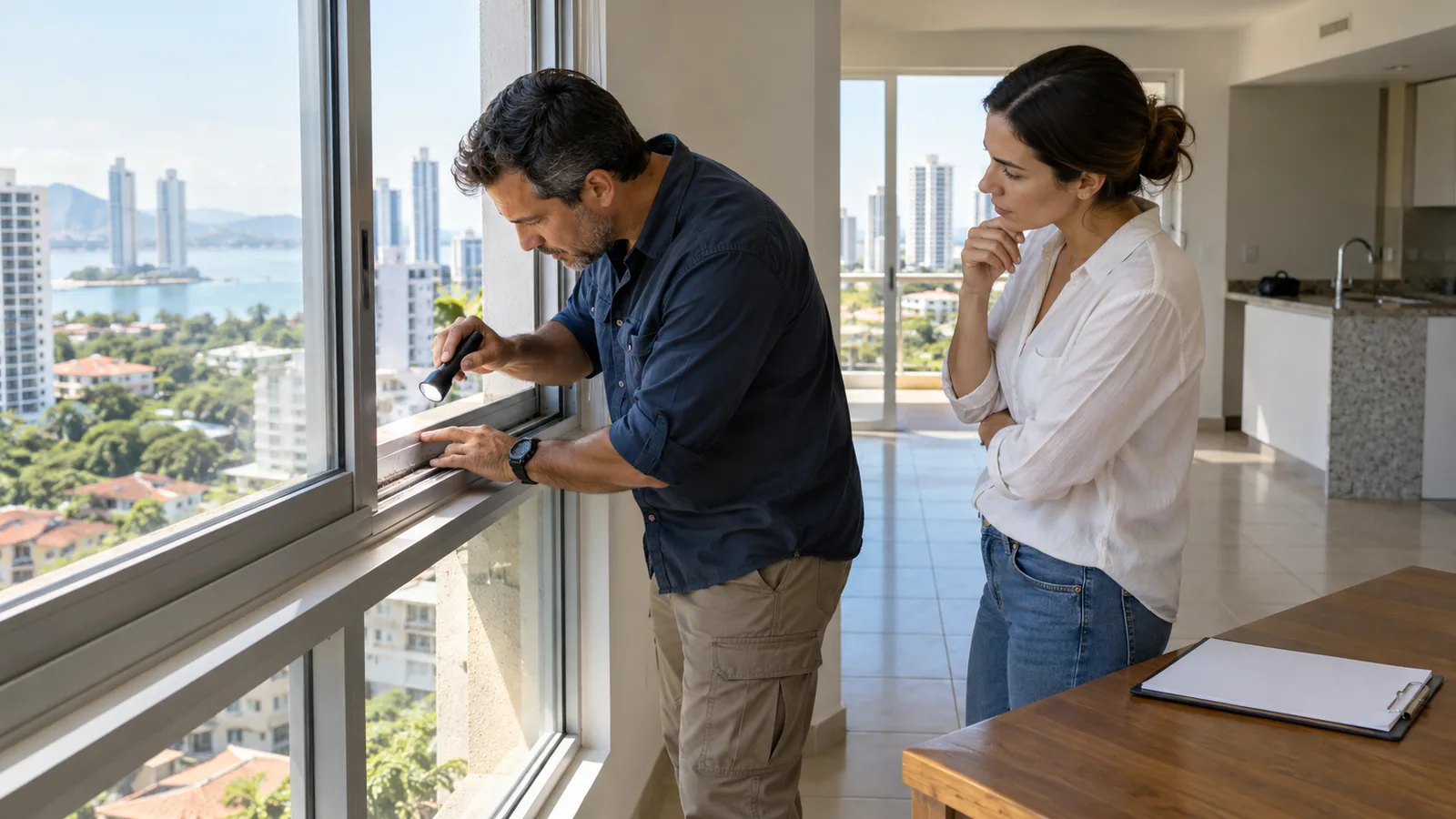
Before signing, inspect the property in person and make sure everything works, from the air conditioning to the plumbing. It is best to photograph the apartment's condition when you move in. This is an informal but very useful practice that can help prevent disputes when you leave.
It is also important to find out about transport, safety and local amenities in advance. Panama City is a city of contrasts: within a single block, you may find both modern towers and older buildings offering different levels of comfort.
Renting in Panama and feeling at home
Once you have found the right home and become accustomed to the local rhythm, Panama stops being simply the country where you live and begins to feel like home. The sun shines year-round, and your neighbors may come from all over the world.
A long-term rental lets you do more than settle into a home: it lets you become part of life in Panama. It is a chance to experience the country's atmosphere, explore neighborhoods at your own pace, try a new rhythm of life and discover the sense of ease that brings thousands of expatriates here.
Renting in Panama: the start of a new chapter
Renting a home long-term in Panama is more than a legal formality. It is the beginning of a new story, with days filled with sunshine, sea air and a sense of freedom. The key is to approach the process carefully, take your time and choose with both your heart and your head.
If you are ready to take that step, begin a new life by the ocean and discover what it means to live in year-round sunshine, we can help you find a place that becomes your home in Panama. Contact our team and take the first step toward waking up to a Panamanian morning.
With best wishes, Liliya Soboleva!
Be Happy Now!