Who Panama Really Suits—and Who May Not Enjoy Moving Here
An honest look at life in Panama: climate, costs, work, healthcare, schools, transport and language. Find out whether moving here would suit you.
 Liliya SobolevaFirst published: July 17, 2026Updated October 17, 202613 min read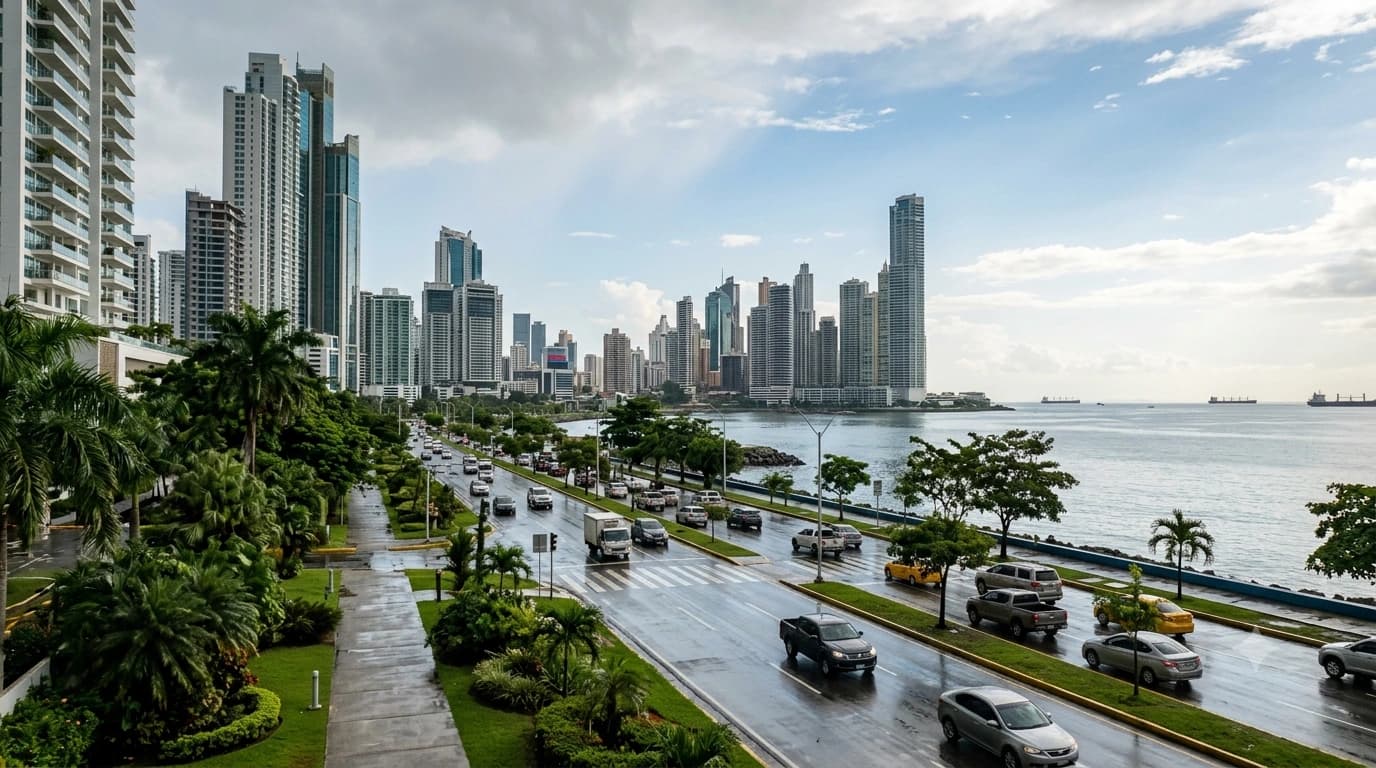
Questions to ask yourself before a trial visit
- Does the climate suit your everyday life?
Consider how you feel about heat, humidity and the rainy season, not just vacation weather.
- Is your source of income clear?
Match the lifestyle you want to your work and personal budget.
- Where would you like to live day to day?
Compare city, coastal and mountain lifestyles rather than choosing solely from an ocean photograph.
- Have you planned for your family's needs and healthcare?
Factor them into your choice of neighborhood and your cost calculations.
- Are you willing to learn Spanish and ask for help?
The article connects settling in with language, communication and personal involvement.
- Have you tried living an ordinary daily routine?
Test everyday journeys and routines before making your final decision.
It is easy to picture Panama as it appears in the advertising: ocean views, tropical greenery, modern high-rises, a dollar-based economy and the opportunity to obtain residency. All of that is real. But between a beautiful view from your window and a comfortable everyday life lie many details that people usually discover only after moving.
The country can give one person a sense of freedom while frustrating another every day. Some quickly get used to the heat, the less formal style of communication and the need to handle matters in person. Others realize after a few months that they miss a cooler climate, the punctuality they are used to, a walkable environment or the ability to get by without a car.
So the useful question is not simply whether Panama is a good place to live. It is whether the country fits your temperament, your finances and your idea of comfort.
Panama suits people who do not expect it to be Europe
One of the most common mistakes is to move to Panama while continuing to judge it by the standards of the country you left. People expect European-style digital government, Swiss precision in service, North American road organization and an oceanfront lifestyle that feels like a year-round vacation.
Panama works differently. It is a modern Latin American country with a strong international business sector, a well-developed banking system and a major logistics hub. At the same time, neighborhoods, institutions and standards of service can differ considerably.
In one neighborhood, you can live in a new building with security, a pool and a coworking space, use a private clinic and order groceries through an app. In another, familiar everyday tasks will require a car, Spanish and considerably more patience.
People who take these differences in stride usually adapt more quickly. Those who compare every local detail with Moscow, London, Miami or Zurich risk feeling constantly disappointed.
Panama does not have to be an improved version of your previous country. It can become a good place to live only if you accept it on its own terms, with its advantages and limitations.
Life is generally easier for people whose income does not depend on the local job market
Panama can be a particularly good fit for entrepreneurs, international business owners, investors, remote professionals and people with a regular income from abroad.
The economy is dollarized, so everyday payments and much of business life are tied to the US dollar. For someone who earns in dollars or runs an international business, this reduces exchange-rate uncertainty in day-to-day spending. Dollarization does not, however, insulate the country from external economic changes: Panama remains an open economy, sensitive to global trade, investment and financial conditions.
Moving becomes considerably harder when someone expects to find a well-paid local job quickly. Immigration status does not always confer an automatic right to work, and some professions in Panama are regulated or restricted for foreigners. English helps in international settings, but it does not replace Spanish when dealing with local employers, contractors and government offices.
Panama is therefore more likely to suit someone who arrives with a financial foundation already in place: an established business, investment income, a lifetime pension, remote employment or a previously agreed employment contract.
When the entire financial plan rests on the assumption that you will work things out and find something once you arrive, moving becomes much riskier.
People who can live without being in a constant hurry tend to feel at home
Not everything in Panama moves at the pace that residents of major business centers may be used to. Something promised for tomorrow may be postponed. You may have to ask a contractor more than once to send a quote. Getting an answer from an organization can require a phone call, a message and a visit in person.
This does not mean it is impossible to do business here. International companies, banks, law firms, developers and logistics businesses operate at a fairly demanding pace. But everyday communication remains more flexible and less formal.
For some people, that comes as a relief. They stop treating every delay as a disaster, learn to allow extra time and become more relaxed about minor changes of plan.
For others, the lack of predictability is a constant source of stress. If you need everyone to reply within a set deadline, contractors to arrive on the dot and every administrative procedure to be handled entirely online, Panama can soon become tiring.
Even participants in the international Expat Insider 2024 survey who rated life in the country highly gave noticeably lower scores to online government services and the ease of opening a local bank account. Panama ranked first overall, but administration remained one of the aspects of life that foreigners found more difficult.
What helps is not waiting passively, but calmly keeping track of the process: asking questions, following up, keeping documents and checking the next step in advance.
You need to enjoy a tropical climate every day, not just in photographs
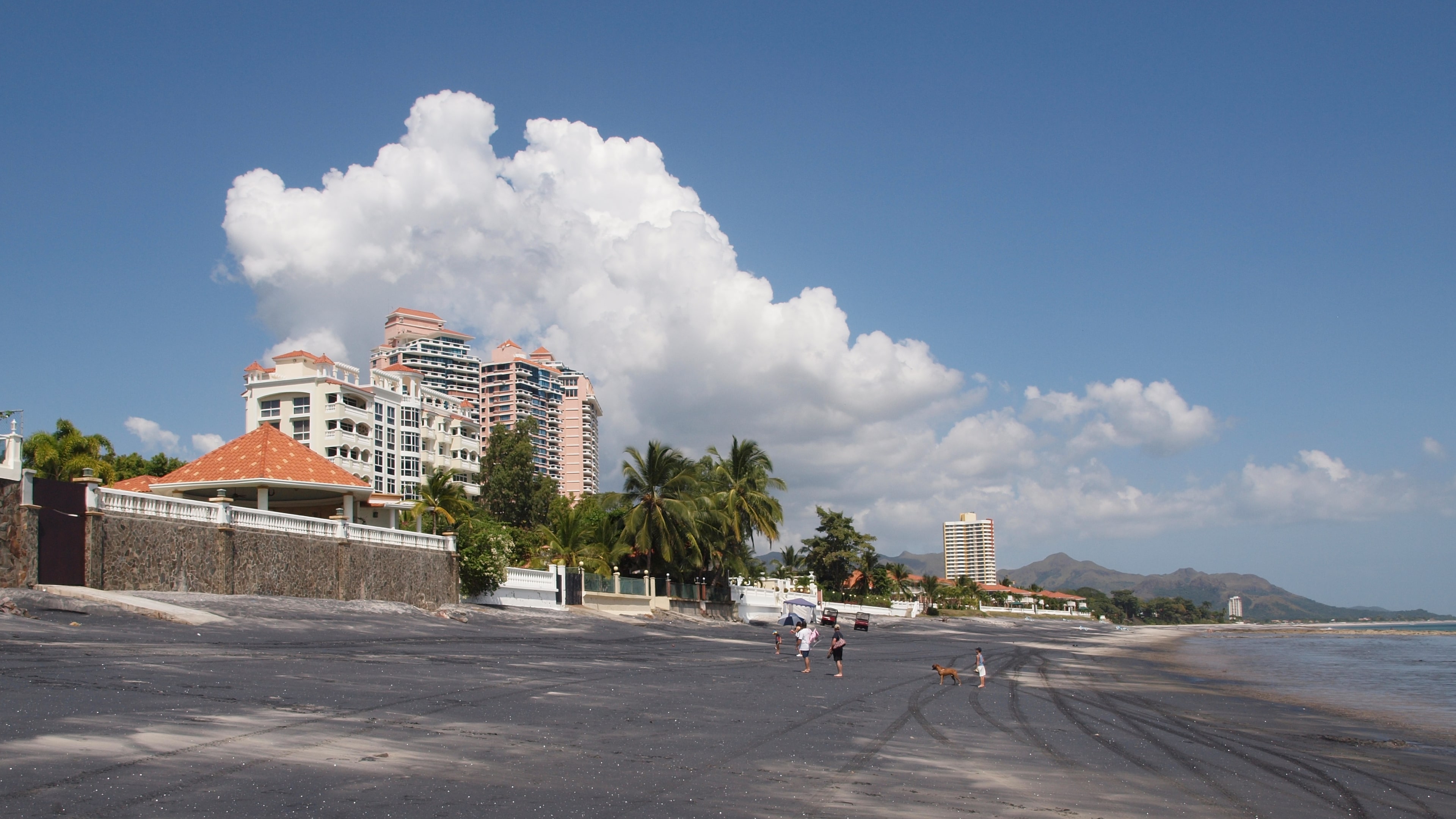
Panama's climate is not a temporary backdrop to a vacation. It means persistent heat, high humidity, strong sunshine and a distinct rainy season.
In Panama City, the wetter period usually runs from May through November. Rain often falls in the afternoon or evening, temperatures generally stay between about 23 and 31 degrees Celsius, and high humidity makes the heat feel more intense. October and November are among the wettest months.
People who enjoy warmth, light clothing and the absence of winter often find the climate suits them. Being able to walk, exercise outdoors and spend weekends by the ocean throughout the year becomes an important part of their quality of life. In the Expat Insider 2024 survey, around 78% of respondents rated Panama's weather positively.
But there is another side to it. Air conditioning is not a seasonal luxury; it is part of everyday infrastructure. At home, you need to pay attention to ventilation, humidity and the condition of furniture, closets and appliances. Some journeys can take longer after heavy rain, and a building's waterproofing becomes just as important as its view.
If you struggle with humid heat, do not convince yourself that your body is bound to adjust. Some people adapt within weeks; others still try to spend most of the day in air-conditioned spaces years later.
Before moving permanently, it is worth visiting not only in the dry season, when Panama looks especially appealing, but also during one of the rainy months. A week of ordinary life will tell you more than dozens of reviews.
Panama is not only for ocean lovers
Living in the country does not necessarily mean having an apartment by the water. In fact, choosing where to live solely for its proximity to a beach is a questionable strategy.
For a family, the priorities may be the school, daily travel and access to healthcare. For an entrepreneur, it may be the journey to the office and the airport. For a retiree, it could be peace and quiet, places to walk, a nearby clinic and not having to spend time in a car every day.
Panama City offers an urban lifestyle, with a business community, restaurants, private healthcare, modern residential developments and an international population. Yet the urban environment varies considerably, and traffic remains a significant problem. The World Bank has highlighted poor connections between parts of the metropolitan area, dependence on private vehicles and congestion linked to the road network and patterns of urban development.
Outside the capital, the pace is slower, property may be more affordable and nature is closer. At the same time, the choice of schools, private clinics, restaurants and professional services becomes smaller.
Panama suits people who are willing to choose a location around their actual daily routine, rather than a photograph. Sometimes an apartment without a direct ocean view is more convenient than a beach house because it makes school, work and medical appointments easier to reach.
Families can live comfortably here, but that comfort needs a budget
For families with children, Panama can offer a warm climate, an international environment, modern residential developments, private schools and an active lifestyle. But moving here should not be assumed to be inexpensive simply because it is in Central America.
A family's main expenses depend less on the country's average cost of living than on the standard it chooses. An international school, an apartment in a prestigious neighborhood, two cars, health insurance, domestic help and regular trips abroad produce a very different budget from that of a local family living outside the capital's central districts.
Choosing a school in advance is especially important. In Panama City, distance on a map does not always reflect travel time. A morning route that takes fifteen minutes on a weekend can be a very different experience on a school day.
A typical mistake is to buy an apartment you like first and then look for a suitable school nearby. It makes more sense to work in the opposite order: decide on your educational requirements, visit several schools, test the journey during rush hour and only then choose a neighborhood.
Panama suits families who are prepared to pay for private services and organize their daily travel carefully. Those expecting to rely entirely on the free services they are used to and manage without a car may find it harder to adapt.
Healthcare can be an advantage if you prepare in advance
Foreign residents often speak positively about the accessibility and quality of healthcare in Panama. In Expat Insider 2024, the country ranked 15th for healthcare; around seven in ten respondents rated its cost, availability and quality favorably.
Still, the phrase “good healthcare” needs some qualification. The options available at private clinics in Panama City can be very different from those in a small town. The public and social security healthcare systems continue to face challenges involving access, planning and the distribution of medical facilities.
For someone moving here, this means making a healthcare plan before a problem arises. Identify suitable clinics, find out about insurance terms, check age and chronic-condition restrictions and understand which expenses you would have to pay yourself.
Private insurance should not be an afterthought in your budget. Panamanian insurance specialists note that terms can depend significantly on your health when you take out a policy, and pre-existing conditions can affect the extent of coverage.
Someone who is willing to organize their healthcare in advance may see Panama's private medical services as a substantial advantage. The country may be less suitable for someone expecting the same standard of free care everywhere.
You can start without Spanish, but building a full life is harder
In Panama City's international neighborhoods, hotels, banks, large companies and private clinics, it is often possible to communicate in English. At the beginning, that can be enough to rent a home, open an account if you meet the bank's requirements, arrange services and deal with basic everyday needs.
But life extends beyond international circles. A building manager, driver, repair technician, municipal employee, market vendor or small-business owner may not speak English.
Without Spanish, you remain dependent on a translator, assistant or English-speaking intermediary. You understand less of what has been agreed, respond more slowly to problems and often pay extra for the convenience of handling matters in a familiar language.
Panama suits people who are at least willing to learn. You do not have to be fluent when you move. What matters much more is avoiding the attitude that everyone else should adapt to you.
Even basic Spanish makes a noticeable difference to everyday life. It allows you to talk to neighbors, ask follow-up questions, keep track of contractors and feel like part of the community rather than a temporary guest.
Life is easier here if you know when to ask for help
Self-reliance is useful in any move, but trying to work everything out without local support often leads to expensive mistakes.
Property, immigration documents, bank compliance, taxes, insurance and business registration are regulated by different bodies. Information on forums often becomes outdated, and one applicant's experience may not apply to another because of nationality, income sources or family circumstances.
People get more out of Panama when they understand the distinction between doing their own research and getting professional guidance. They do not hand every decision over to a consultant, but neither do they try to replace legal due diligence with advice from a chat group.
Cutting corners is especially dangerous when checking a property, reviewing a developer's contract, documenting the source of funds or choosing an immigration route. Fixing a transaction after it has been completed is almost always harder than preparing properly beforehand.
Who is most likely to be unhappy with the move?
The hardest adjustment is often for people who are moving away from their problems rather than toward Panama. If relocating is seen as a way to transform your mood, relationships, health or finances overnight, a new country rarely lives up to those expectations.
Panama does not remove the need to plan your spending. It does not guarantee income from every apartment you buy. Residency does not automatically make you a tax resident or give you unrestricted access to every profession. An ocean view does not eliminate traffic, air-conditioning repairs or correspondence with the bank.
Disappointment is also more likely among those who need cool seasons, perfectly predictable service, an entirely walkable urban environment and the ability to live exclusively in English.
The social side is not right for everyone either. Panamanians can generally be friendly and open, as participants in international surveys also report, but a pleasant conversation does not always turn quickly into a close friendship. Building your own social circle still takes time, initiative and involvement in the community. In Expat Insider 2024, Panama scored highly for feeling welcoming and being easy to settle into, but those results describe a broad trend, not a guaranteed experience for everyone who moves here.
How to try Panama before making a final decision
A trial visit should feel less like a vacation and more like a rehearsal for an ordinary week.
Renting an apartment in the neighborhood you are considering is more useful than staying in a hotel. Drive your expected route in the morning, go to the supermarket, visit a school or clinic, speak to the property management company, view buildings of different ages and assess the noise in the evening.
If you are moving with your family, do not base the decision solely on one person's impressions. Partners and children may respond very differently to the heat, the language, the school and the new pace of life.
Drawing up a realistic budget is just as important. It should include not only rent or mortgage payments, but also building maintenance, air conditioning, transport, health insurance, education, domestic help, annual trips and a reserve for unexpected expenses.
Only after doing this can you tell whether you like the real Panama, rather than the version in the advertising.
So who is Panama right for?
Panama often works well for someone with an international or independent income who values a warm climate, a dollar-based economy, proximity to the ocean and the ability to build a life across several countries.
Entrepreneurs, investors, remote professionals, retirees with a lifetime income and families prepared to use private services can be comfortable here. Flexibility, practical independence, patience and a willingness to learn Spanish gradually all matter.
The move is less likely to suit someone who demands absolute punctuality, cannot tolerate humid heat, expects to build a local career quickly without knowing the language or is unwilling to budget separately for a comfortable standard of healthcare, education and transport.
At Mundo Expert, we believe that a decision to move should not begin with selling a property or choosing a residency program. First, you need to understand how you intend to live: where your income will come from, where your children will go to school, how often you will need medical care, whether your work will be connected to Panama and what level of everyday comfort you consider essential.
Panama does not have to suit everyone. But when what the country offers matches your expectations and way of life, it can become a convenient international base, a home for your family and a long-term choice—without any need to gloss over its shortcomings.
With best wishes, Liliya Soboleva!
Be Happy Now!