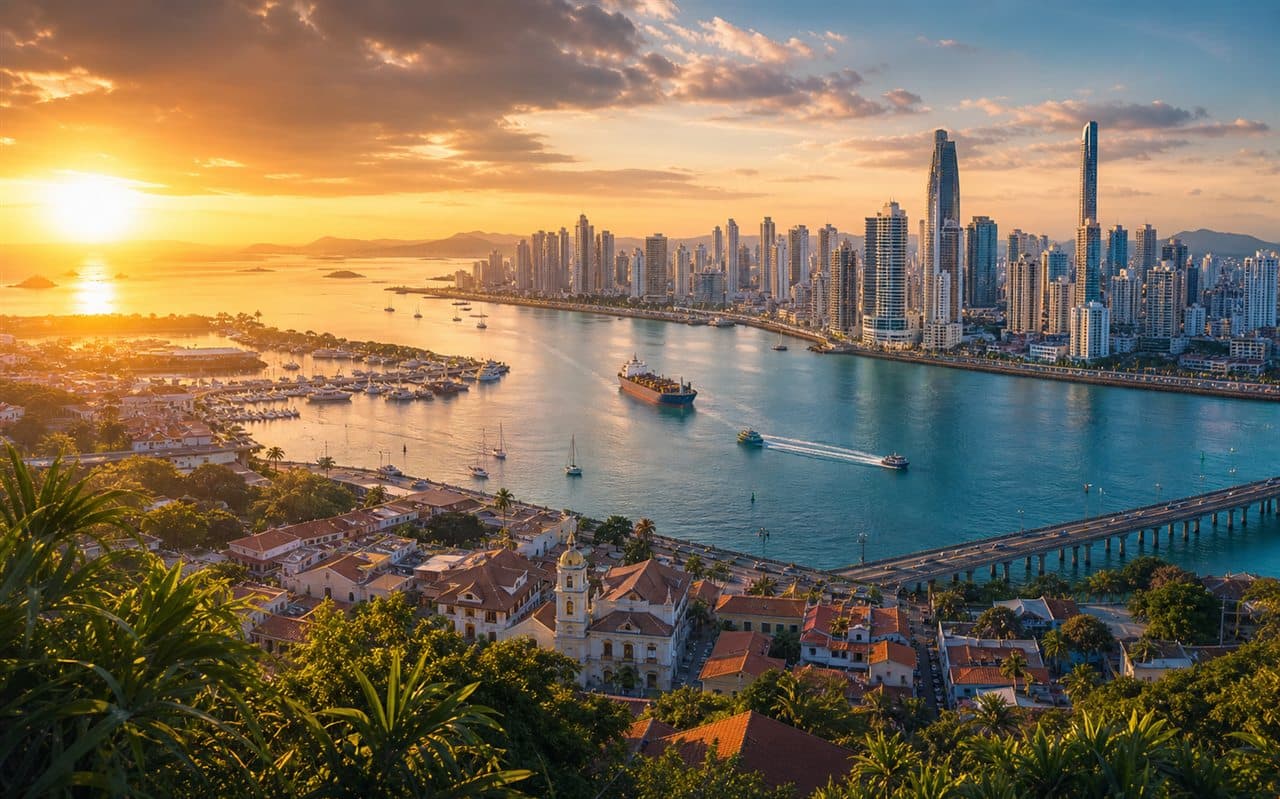
Explore Panama
Understand the country before choosing a place.
Panama is compact, but the capital, Pacific coast, Caribbean islands and western highlands support very different routines. Begin with geography, then compare access, climate and the services you would use every week.
Interactive Panama Explorer
Explore Panama by region, access, and daily life.
Compare the country picture, regional access, services, and everyday trade-offs before choosing places to study closely.
Capital and Canal
Panama City concentrates flights, hospitals, schools and professional services. Nearby Canal communities exchange some urban convenience for forest and quieter surroundings.
Pacific side
Beach corridors near the capital differ from the smaller towns of Azuero and the remote surf communities farther west. Road access remains central to most routines.
Chiriquí
David provides regional infrastructure, while Boquete and Tierras Altas offer cooler elevations with distinct rain, housing and road conditions.
Caribbean
Portobelo is a historic mainland harbour; Bocas del Toro is an archipelago. Weather and transport affect both, but in very different ways.
Climate
Ask about microclimate, not a national average.
Heat, rainfall, wind and humidity change with coast, elevation and exposure. Even neighbouring highland communities can feel different during the same week.
Wet and dry seasons
Seasonal patterns affect roads, drainage, outdoor plans and building maintenance. A dry-season visit cannot answer every housing question.
Elevation
Higher ground can be cooler, but cloud, moisture and access vary by slope. Inspect the exact property rather than relying on a town’s reputation.
Coastal exposure
Salt, wind and humidity influence upkeep. Ask how buildings manage corrosion, drainage, ventilation and periods without occupants.
Access
Build the comparison around repeated journeys.
Airport access is useful, but so are the ordinary routes to groceries, school, work, healthcare and friends. Test them at the time and in the weather you expect to travel.
City traffic
In Panama City, neighbourhood choice can matter more than straight-line distance. Peak traffic should be part of any school or work test.
Regional roads
Outside the capital, a car is often essential. Road surface, lighting, fuel and backup routes deserve attention.
Island transport
In Bocas del Toro, boat schedules, luggage, rain and the last practical return time become part of daily planning.
A useful first visit
Compare fewer places and stay long enough to notice friction.
Two or three contrasting places are usually enough for a first trip. Include normal errands and quiet evenings, not only viewings and attractions.
Choose contrasts
Compare an urban base with one coastal or highland option and a third place only if it answers a genuinely different need.
Leave unplanned time
A free afternoon reveals weather, noise, transport and the ease of ordinary choices better than a tightly scheduled tour.
Record open questions
Keep legal, immigration, property and tax questions for current official sources and qualified professionals.
Read next
Guides for a first country comparison
Use these articles to organise a scouting trip and see how ordinary life changes between the capital, coast and highlands.
Read next
How to plan your first Panama scouting trip
How to compare a few places, test normal days, and leave Panama with better questions.
Read guide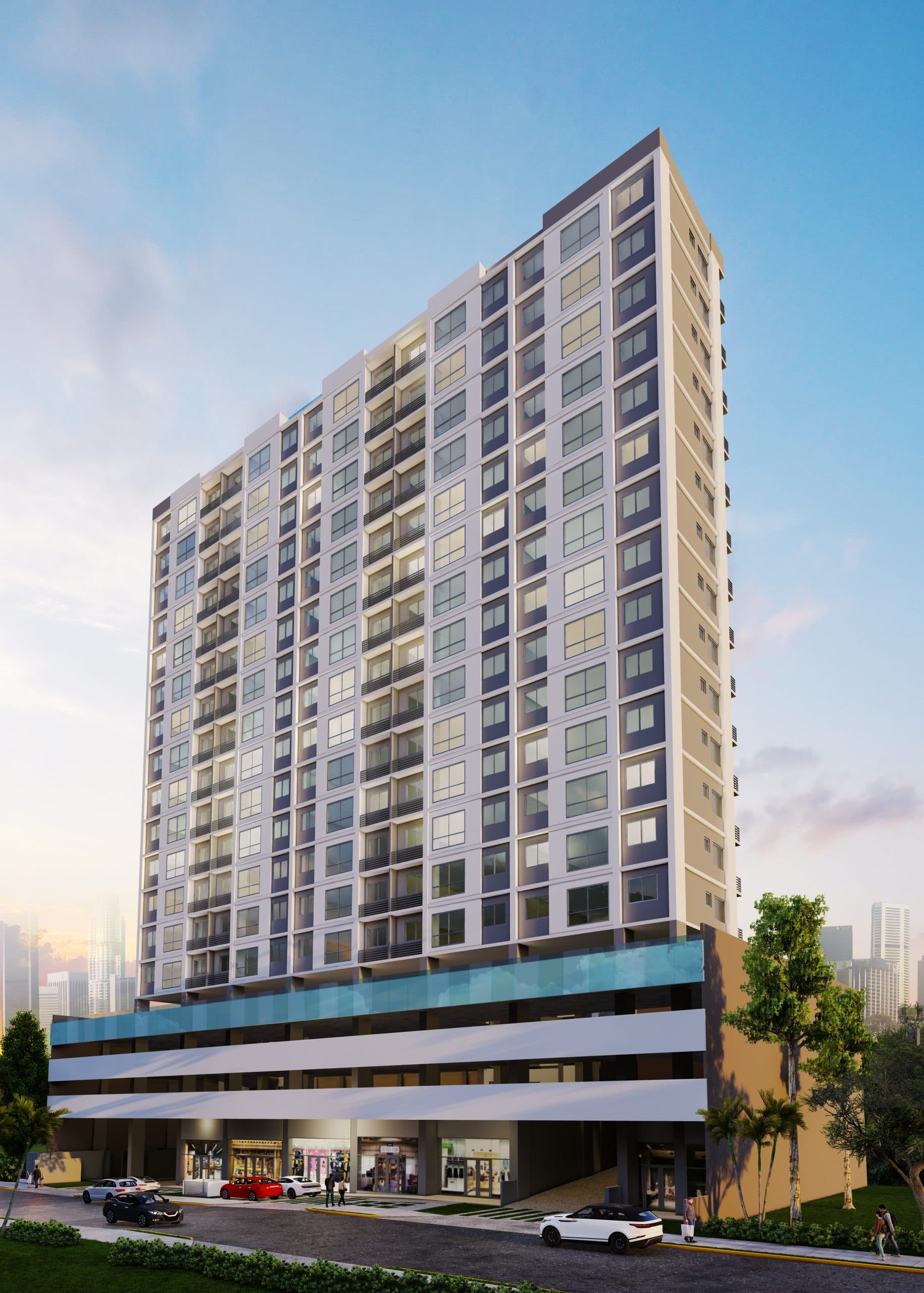
Read next
What everyday life in Panama City really looks like
A plain look at weekdays, buildings, errands, commutes, family life, and professional access in the capital.
Read guide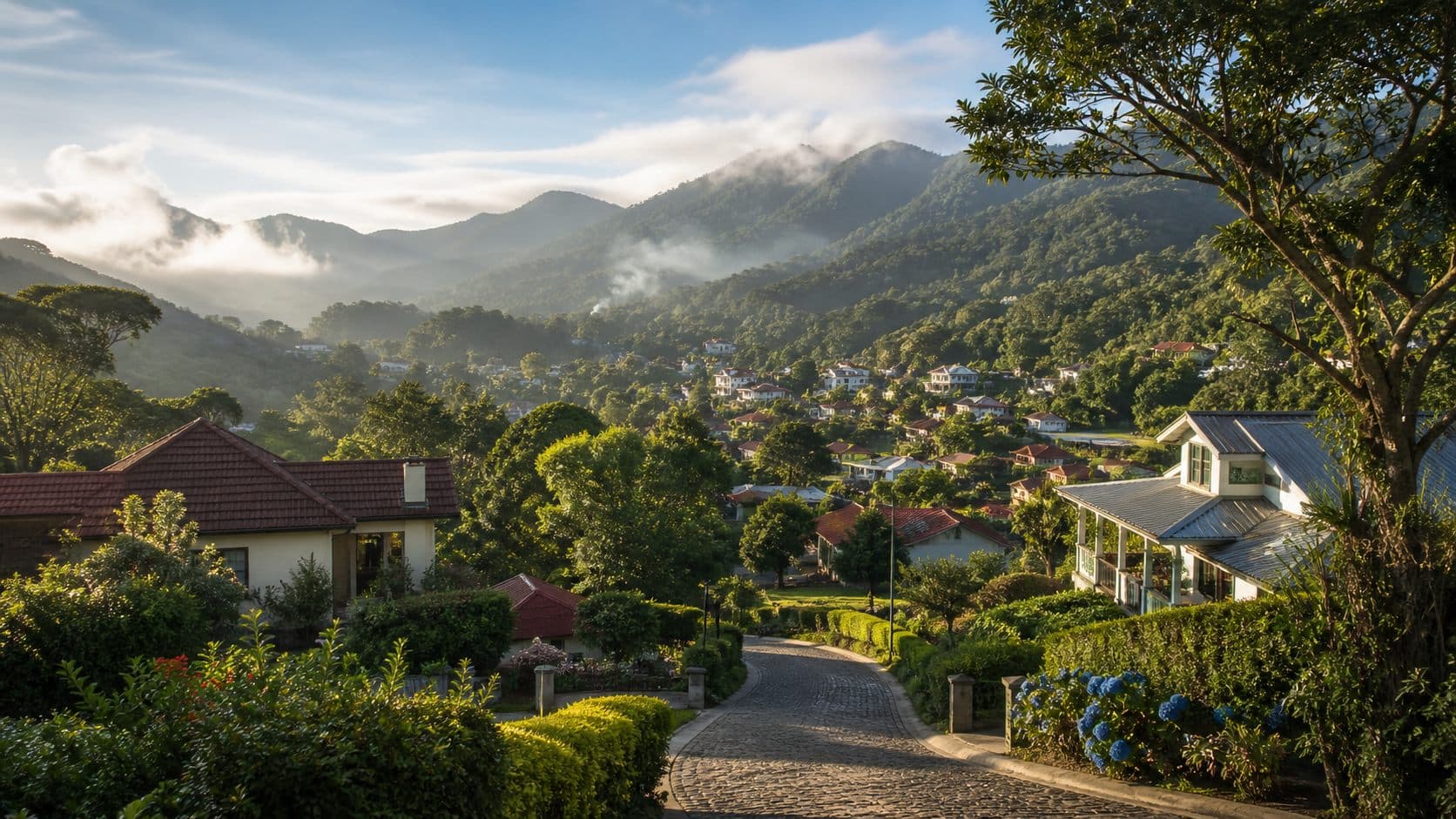
Read next
Could Boquete be right for your long-term plans?
Use climate, services, community, mobility, and Chiriquí access to judge whether Boquete works beyond the view.
Read guideReady to look at specific places?
Open the destination profiles and compare the trade-offs that matter to your household.