How to plan your first Panama scouting trip
How to compare a few places, test normal days, and leave Panama with better questions.
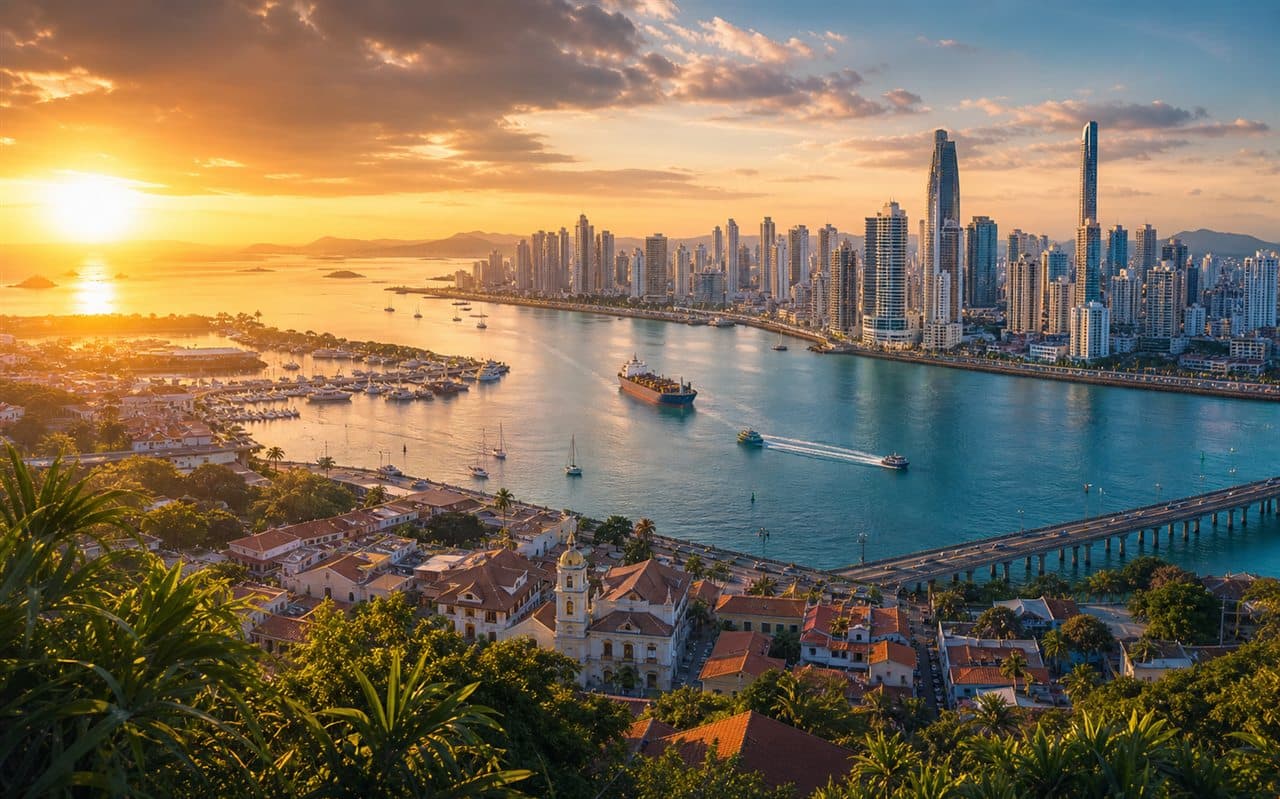
A useful Panama scouting trip is a field study of ordinary life, not a holiday with a few property viewings or professional meetings added. Its purpose is to compare a small number of realistic routines: where you would wake up, how you would move through a weekday, which services you would rely on, and what becomes difficult when weather, traffic or distance changes the plan. A good first trip does not need to produce a final answer. It should replace broad impressions with dated notes, expose the questions that public research cannot settle, and leave you with a shorter list of places worth examining again.
Choose two or three contrasting places
Begin with scenarios rather than a long destination list. One might be an urban week in Panama City, another a Pacific corridor with regular access to the capital, and a third a highland or Caribbean routine. The contrast matters because it reveals which advantages you are actually willing to exchange. Cooler weather may mean longer journeys to specialist services. Beach access may come with heavier weekend traffic, salt exposure or greater dependence on a car. A central apartment may shorten errands while reducing quiet and outdoor space.
Limit the first trip to two or three places that answer genuinely different needs. Eleven rapid stops produce photographs, not evidence. Give each place enough time for a normal morning, an afternoon of errands and an evening when the initial excitement has faded. Keep one unplanned period in every location. The way you use that unscheduled time often says more about daily suitability than a carefully arranged tour.
Plan realistic travel days
Panama looks compact on a map, but a route can change with city traffic, mountain roads, rain, ferry or boat schedules and the location of your accommodation. Do not build an itinerary from distance alone. Check the likely departure hour, parking, road conditions and whether you must return before dark or before a transport service stops. A transfer day should remain a transfer day; placing important meetings immediately after a long journey creates rushed conclusions and hides how tiring the route may become in ordinary life.
Repeat at least one route at the time you would normally use it. If school, work, airport access or medical appointments matter, test those journeys on a weekday rather than relying on a quiet weekend drive. Record the start point, departure time, stops and actual arrival time. A route that feels acceptable once may be a poor weekly obligation, while a place that appears distant may work well when services are concentrated nearby.
Test ordinary errands and travel times
Build part of each day around groceries, a pharmacy, a bank or cash point, fuel or charging, mobile connectivity and a simple meal. Notice whether these tasks require several separate trips, whether signs and service are manageable in Spanish, and what happens without a car. Look beyond the nearest option: you may prefer a larger supermarket, a particular clinic or a reliable courier service that changes the practical radius of the area.
Use the same short checklist in every place. Note walking comfort, shade, drainage, road crossings, parking, noise, internet reliability and the ease of finding help when plans change. Test one journey in rain if conditions allow, and ask how the route behaves during the wetter months. The aim is not to score places with false precision. It is to make observations comparable enough that memory and one beautiful afternoon do not decide for you.
Inspect accommodation beyond appearance
Stay in the type of area and building you might genuinely consider, even if the first trip is not a property search. In an apartment, listen for lifts, generators, traffic, neighbouring units and common-area activity at different hours. In a house, notice drainage, insects, ventilation, water pressure, security routines and the effort required to maintain outdoor space. On the coast, ask how salt and humidity affect finishes and equipment. In the highlands, pay attention to damp, slope access and evening temperature.
Check healthcare, schools and daily support
If healthcare matters, distinguish a nearby clinic from a hospital that can handle the care you may actually need. Travel the route, check opening arrangements and identify where specialist appointments would take place. Keep medication availability, language support and emergency transport as separate questions. Public directories provide orientation, but facilities and services change; confirm current details directly before relying on them.
Families should test the school journey at realistic hours and consider calendars, language, after-school activities and the route followed by the whole household, not only the child. Also look at the support around ordinary life: childcare, household help, pet care, repairs, community contacts and airport pickups. A place can be attractive and still demand more coordination than the family wants to carry every week.
Record observations consistently
Use one note template for every location. Separate what you observed, what a named person told you, what an official source states and what still needs verification. Add the date, time and weather to route notes. Photograph practical details only when appropriate: a road entrance, drainage, a grocery receipt or the view from a normal street can be more useful later than another scenic image. Keep names and contact details with the question they relate to.
Separate impressions from specialist questions
Destination research can tell you whether an area deserves more attention. It cannot confirm residency eligibility, tax treatment, title, zoning, contract terms, financing, company structure or expected investment performance. Keep a separate list for those matters and record the facts a professional will need: household composition, citizenships, intended use, proposed travel dates, budget range and documents already available. Avoid guessing the answer from sales material or another visitor's experience.
What not to decide during the first trip
Do not force a permanent location choice because the return flight is approaching. Avoid reserving a property simply to preserve momentum, and do not assume that a residency route, bank account or business structure will work until the relevant facts have been reviewed. A hosted itinerary can be informative, but it reflects the host's selection. Leave time to revisit streets, services and routes independently.
The most useful outcome is often a disciplined second step: remove one place, retain one for deeper research and identify one alternative that answers a missing need. Review your notes after returning home, when travel fatigue and hospitality no longer shape the mood. If the decision is substantial, a second visit in another season or with a more ordinary schedule is evidence, not indecision.
Practical first-trip checklist
Choose no more than three contrasting places and write down why each one is included.
Reserve realistic transfer days and repeat one important route at the hour you would normally use it.
Test groceries, pharmacy access, connectivity, payments, parking and one unplanned meal.
Stay in a neighbourhood and accommodation type that resembles a genuine option.
Check healthcare, school and support routes in person where they matter to the household.
Record observations, attributed statements and items requiring verification in separate fields.
Keep legal, residency, tax, banking, business and property questions for qualified review.
End each day with comparable notes on what worked, what created friction and what deserves a return visit.
Leave the first trip with a shorter research list, not a deadline-driven commitment.
Return with a clearer brief, not a rushed verdict
A first scouting trip should make Panama more specific. You should know which ordinary routines feel workable, which compromises are acceptable and which claims still require confirmation. Bring home the notes, receipts, route times and questions that support that judgment. Then share the places, proposed travel dates and unresolved questions with the appropriate team or specialist. A measured second step is more valuable than a dramatic decision made while the trip is still in progress.
Sources and review
Official references used for factual orientation. Check the current page before acting.
- Sustainable Tourism Master Plan 2020-2025Panama Tourism Authority; accessed July 15, 2026
- Tocumen airport ground transportTocumen International Airport; accessed July 15, 2026
- Health facilities directoryMinistry of Health; accessed July 15, 2026