Skip to content
English
Plan a Visit
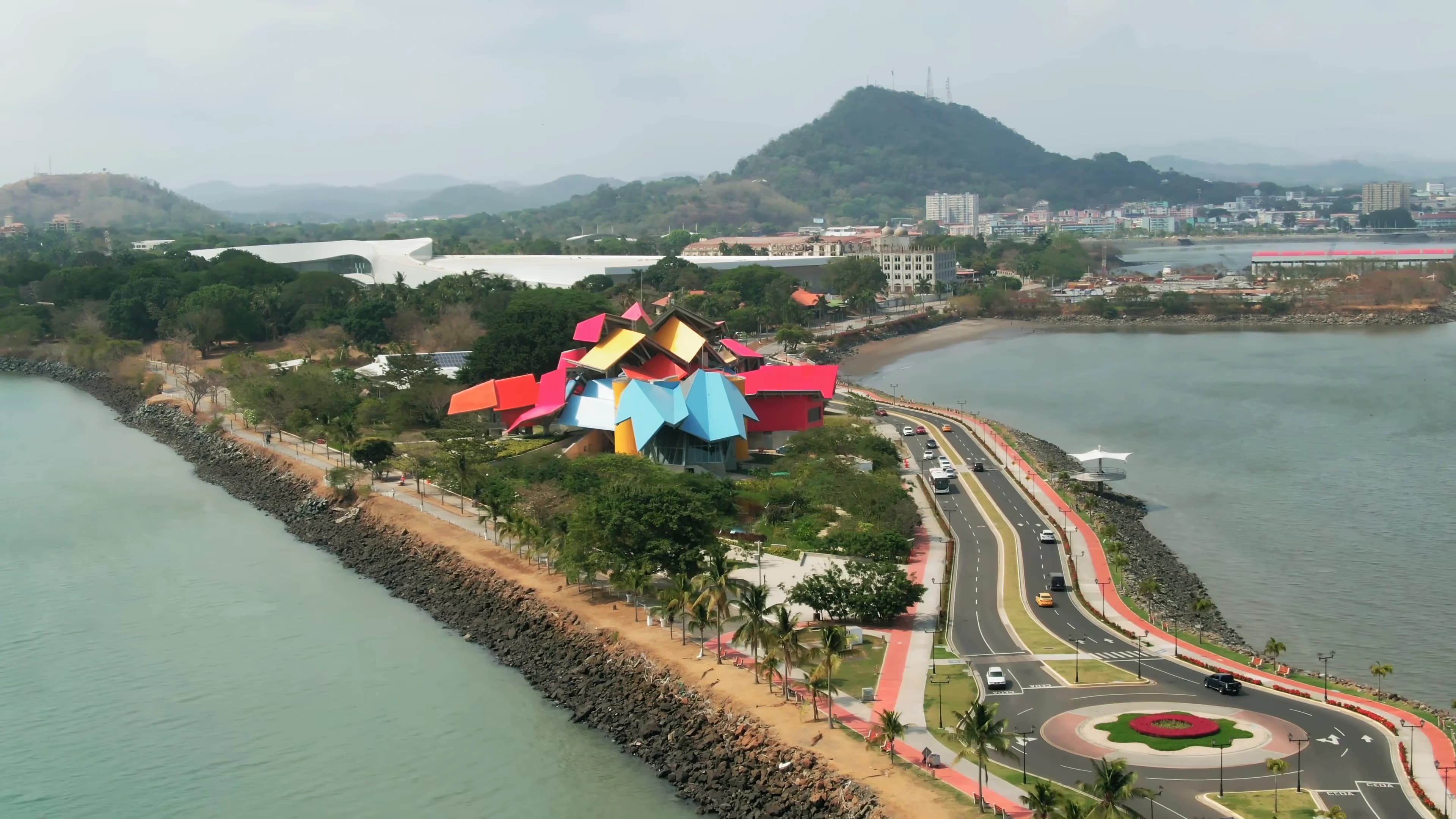
The Biomuseo and Amador Causeway beside Panama Bay, the opening frame of the journey film
Panama, made easier to understand

Find the part of Panama that suits the life you have in mind.

Explore the capital, Pacific coast, Caribbean islands and cooler highlands through the details that matter day to day—from schools and healthcare to travel, property and professional support.

Why Panama

One country, several very different ways to live.

Panama attracts people for more than one reason. Some need an internationally connected capital, others want a quieter coast, a cooler mountain town or easier access to nature. The useful question is not whether Panama looks appealing, but which part of the country supports the ordinary week you expect to have.

01

A compact country with real regional contrasts

The distance between the Caribbean and Pacific is small on a map, yet climate, transport, housing and local services change sharply from one region to another. A sensible first visit compares only a few contrasting areas and leaves enough time to experience each one beyond its best-known sights.

02

A capital that concentrates essential services

Panama City brings together the country’s broadest range of private hospitals, international schools, professional firms, flights and urban housing. Those advantages come with traffic, humidity and large differences between neighbourhoods, so a city decision is usually a district-by-district decision rather than a single verdict on the capital.

03

Coastal and highland choices with distinct trade-offs

Pacific beach communities can offer practical road access and established shops, while Caribbean islands depend more heavily on boats and weather. Highland towns provide cooler conditions but may require regular travel to larger regional centres for specialist healthcare, major purchases or administrative work.

Regional contrasts

Start with the geography, then test the daily routine.

Panama’s regions are best compared through access, climate and the services used every week. The map gives a country view; the notes below explain why two places that look close can lead to very different routines.

Capital and Canal corridor

Panama City and nearby Canal communities combine airport access, professional services and major urban infrastructure. The practical differences are found in traffic exposure, walkability, housing type and how often a household must cross the city.

Pacific coast and Azuero

The Pacific side ranges from service-rich beach corridors near the capital to smaller towns on the Azuero Peninsula. Car use, weekend population changes, dry-season conditions and distance to larger hospitals deserve as much attention as beach access.

Chiriquí and the western highlands

Boquete, Volcán and surrounding communities sit at different elevations and have different rainfall, road and housing patterns. David remains the regional centre for many flights, hospitals, shops and administrative needs.

Caribbean islands and coast

Bocas del Toro and Portobelo offer very different Caribbean experiences, but both make weather and transport part of the plan. Island choice, boat links, utilities and mainland access can shape an ordinary day more than distance alone suggests.

Interactive Panama Explorer

Explore Panama by region, access, and daily life.

Compare Panama’s regions, transport links and everyday services before deciding where to spend more time.

Browse the places list
Featured destinations

Four useful starting points for a first comparison.

Begin with places that represent clearly different versions of Panama: the capital, an established Pacific corridor, the western highlands and the Caribbean archipelago. Each profile includes the compromises worth testing in person.

The Biomuseo and Amador Causeway beside Panama Bay, with Panama City and green hills in the distance
Metro Panama

Panama City

The practical urban base for services, schools, banking, specialists, restaurants, and quick access to support.

Read place profile
Coronado’s Pacific coastline and buildings beside the beach
Pacific Beaches

Coronado Corridor

A coastal area near Panama City to consider for family life, retirement or a weekend home.

Read place profile
Illustration inspired by Boquete: two people standing beside a river beneath green mountains
Chiriquí Highlands

Boquete

A highland community known for cooler weather, nearby nature and a quieter pace of life.

Read place profile
Illustration inspired by Bocas del Toro: a water taxi beside wooden homes on the Caribbean waterfront
Caribbean Islands

Bocas del Toro

A Caribbean archipelago shaped by reefs, surf, mangroves and Afro-Caribbean culture, where transport and ordinary errands take more time.

Read place profile
See all places
Featured guides

Read enough to arrive with better questions.

The most useful preparation is specific. These articles help organise a first trip, compare family routines and examine an area before property listings begin to drive the conversation.

People walking along the Pacific shoreline at Coronado beach

Moving to Panama with children: questions to ask before choosing an area

Questions for schools, clinics, commute, language comfort, everyday support, and the first months.

Read guide
Residential towers beside a road in Punta Pacifica, Panama City

What everyday life in Panama City really looks like

A plain look at weekdays, buildings, errands, commutes, family life, and access to professional services in the capital.

Read guide
Browse all guides
AI planning tool

Start with what you want to do in Panama.

Choose what brings you to Panama and the tool will suggest relevant places, articles and questions to investigate. The result is an orientation aid, not legal, financial, immigration or property advice.

Keep the first brief simple: your household, the kind of week you want, two or three places to compare and the issues that require professional confirmation.

Plan the visit

See ordinary Panama before making an important decision.

A focused scouting trip should include normal errands, realistic travel times and room to reconsider your first choice. Start with the places and guides, then share only the details needed for the right professional conversation.

Plan a scouting trip