Professionals who need banking, legal, property, and specialist meetings close together.
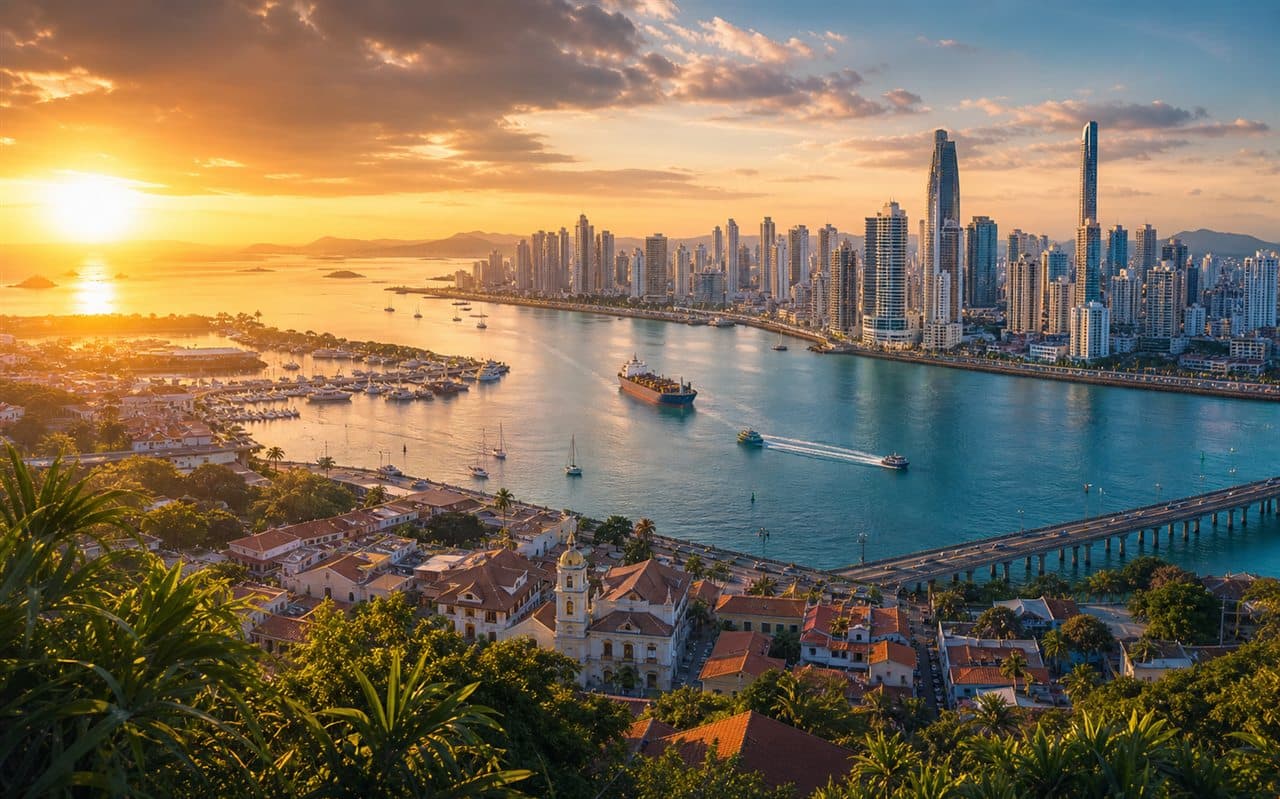
Metro Panama
Panama City
The practical urban base for services, schools, banking, specialists, restaurants, and quick access to support.
- Setting
- Metro Panama
- Climate and comfort
- Urban tropical conditions; compare comfort by building, routine, and season.
- Access and essential services
- Strongest access to specialists, international flights, clinics, schools, and professional services.
- Service pattern
- The practical urban base for services, schools, banking, specialists, restaurants, and quick access to support.
The place behind the first impression
Panama City is the country’s main urban centre, but it does not offer one uniform version of city life. A high-rise apartment near the waterfront, a walkable pocket around a neighbourhood centre and a house in a peripheral district can produce completely different commutes, errands and weekend habits.
Its practical appeal lies in the concentration of flights, private healthcare, schools, offices and specialist services. The trade-off is that traffic and neighbourhood choice affect almost every advantage, so a useful visit should be organised around the routes you would repeat rather than a list of landmarks.
Why people consider it
Why this place enters the conversation
Families comparing schools, clinics, commute, and apartment living.
Daily life and access
What an ordinary week asks of you
The practical urban base for services, schools, banking, specialists, restaurants, and quick access to support.
Climate and comfort
Urban tropical conditions; compare comfort by building, routine, and season.
Access and essential services
Strongest access to specialists, international flights, clinics, schools, and professional services.
Housing and location
Best understood by district, commute, building operations, and intended use rather than headline amenities.
Work and practical matters
Supports meetings with banking, legal, accounting, corporate, and real estate specialists.
Interactive Panama Explorer
Explore Panama by region, access, and daily life.
Compare the country picture, regional access, services, and everyday trade-offs before choosing places to study closely.
Trade-offs
What deserves a closer look
Traffic changes the map
A short distance can become a long journey at peak periods. Compare school, work, airport and healthcare routes at the times you would actually use them.
Walkability is local
Some blocks support errands on foot, while other districts make a car or frequent ride-hailing essential. Inspect the immediate streets, crossings, shade and drainage.
Central and peripheral districts solve different problems
Central areas reduce some journeys but may bring noise and smaller homes. Outer districts can offer space while adding dependence on major roads.
Test it in person
Questions for a useful visit
Use the capital as a neighbourhood comparison, not a single yes-or-no choice. Two realistic weekdays usually reveal more than a weekend of sightseeing.
- 01
How long does the school or work commute take during morning and evening traffic?
- 02
Can groceries, exercise, healthcare and social plans work from this exact neighbourhood without crossing the city repeatedly?
- 03
How does the building or street handle heavy rain, deliveries, visitor parking, noise and backup power?
Continue reading
One relevant guide
Continue with the guide that develops the most relevant practical question for this place.
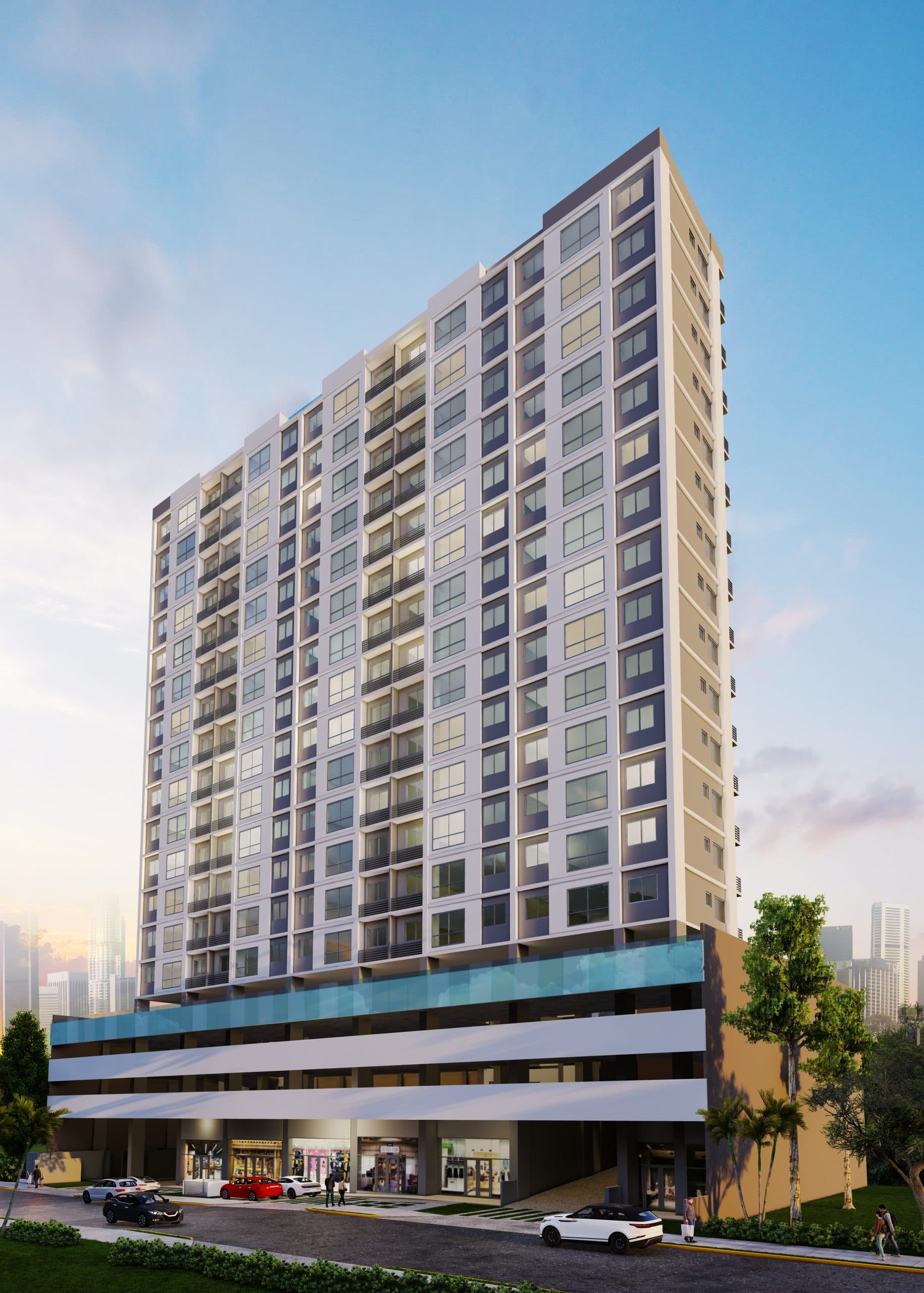
What everyday life in Panama City really looks like
A plain look at weekdays, buildings, errands, commutes, family life, and professional access in the capital.
Read guide